
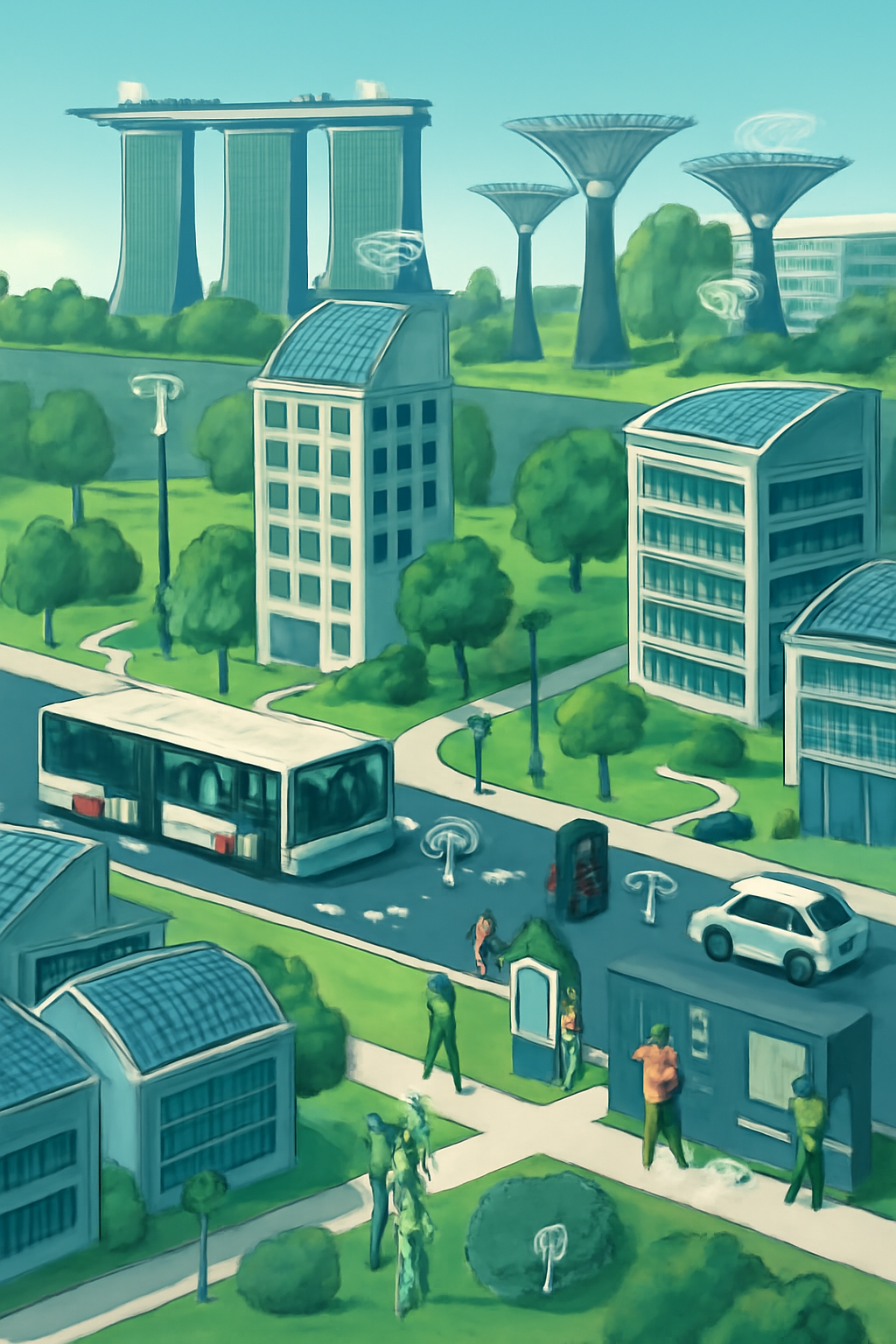
Singapore’s emergence as a global leader in smart city initiatives is a testament to the power of technology in shaping urban environments. The city-state has made remarkable strides in integrating technology into everyday life, creating a seamless and efficient living experience for its citizens. From public transportation to waste management, technology is driving innovation and making daily life in Singapore more convenient, sustainable, and connected.
One of the most notable aspects of Singapore’s smart city transformation is the use of data-driven technology. The city has deployed an extensive network of sensors and cameras that collect data on various aspects of urban life, such as traffic patterns, energy consumption, and environmental conditions. This data is analyzed in real-time, allowing the government to make informed decisions on everything from traffic management to disaster response. For instance, the implementation of smart traffic management systems has significantly reduced congestion, improved traffic flow, and minimized fuel consumption.
Public transportation is another area where technology has revolutionized the daily commute. Singapore’s public transport system, including buses and the MRT (Mass Rapid Transit), is integrated with smart systems that provide real-time information to passengers. This allows commuters to plan their routes more efficiently, minimizing wait times and enhancing convenience. Additionally, Singapore has developed a contactless payment system, allowing passengers to use their smartphones or travel cards for seamless access to buses, trains, and other public services.
Smart homes are becoming increasingly common in Singapore, providing residents with greater control over their living spaces. With the rise of IoT technology, homeowners can control lighting, security systems, and even appliances remotely using their smartphones. This not only makes life more convenient but also promotes energy efficiency by allowing residents to monitor their energy consumption and make adjustments as needed.
Sustainability is another core focus of Singapore’s smart city initiatives. The city has implemented a range of technologies to reduce energy consumption and promote environmental sustainability. Solar energy is a key component of Singapore’s green energy strategy, with many buildings equipped with solar panels to harness renewable energy. In addition, the city is home to smart grids that optimize electricity distribution, ensuring that energy is used efficiently and waste is minimized.
Public spaces, too, have been transformed by technology. Smart sensors are deployed in parks and public areas to monitor air quality, temperature, and humidity levels, providing citizens with real-time information on their environment. This allows for better management of public spaces and ensures that the city remains a healthy and sustainable place to live.
In summary, Singapore’s efforts to become a smart city are transforming urban living by integrating technology into every aspect of daily life. With a focus on sustainability, efficiency, and connectivity, Singapore is paving the way for other cities to follow suit and embrace the potential of smart technologies.