
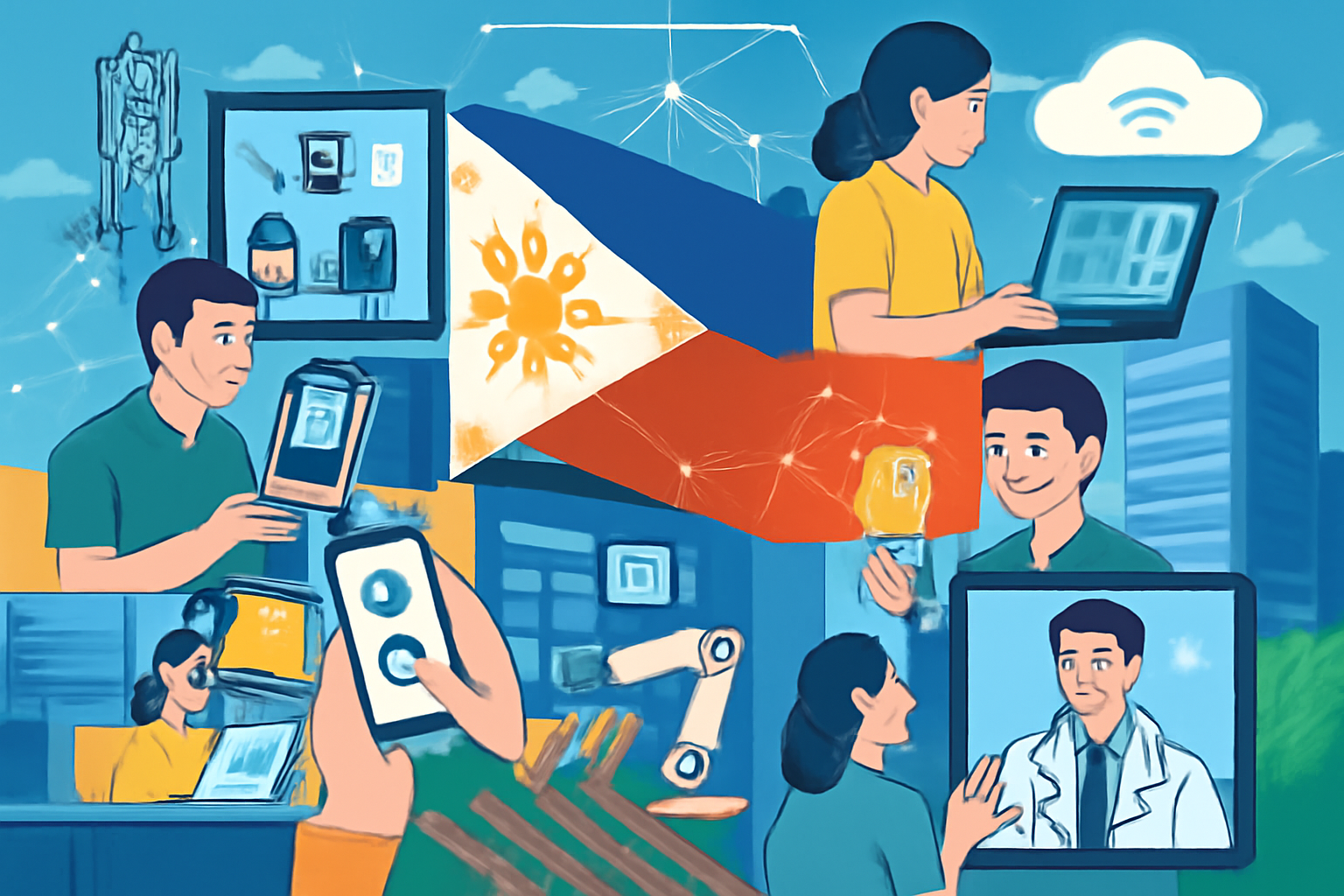
The Philippines is witnessing a profound shift towards a digital economy, where technology and innovation are driving new opportunities for businesses, consumers, and the government alike. As the country seeks to position itself as a leader in Southeast Asia, the Philippines is embracing digital transformation across various sectors. This digital evolution is reshaping how Filipinos live, work, and interact with one another, with significant implications for economic growth and social development.
The government of the Philippines has recognized the importance of digital infrastructure in fostering a competitive digital economy. Through initiatives like the National Broadband Plan, the government is working to expand internet connectivity throughout the nation. Reliable and affordable internet access is essential for businesses to operate effectively, for students to engage in online learning, and for healthcare providers to offer digital services.
In the education sector, technology has become a cornerstone of the learning experience. The shift to online learning during the COVID-19 pandemic accelerated the adoption of digital tools in schools and universities across the Philippines. The Department of Education has rolled out various digital learning programs to support remote education, and universities are increasingly incorporating digital platforms to enhance students’ educational experiences. By integrating technology into education, the country is preparing a future workforce equipped with essential digital skills.
In healthcare, technology is playing a key role in improving access to services. Telemedicine platforms are allowing patients to consult with healthcare professionals remotely, ensuring that even those in rural areas can receive medical advice. Health tech innovations are also improving healthcare management, enabling better diagnostics, patient tracking, and personalized treatments. As the government continues to invest in digital health solutions, the Philippines is working towards a more equitable healthcare system that reaches all corners of the nation.
The rise of e-commerce has also been a driving force in the Philippines’ digital transformation. Online shopping has become increasingly popular, with consumers taking advantage of platforms like Lazada and Shopee to purchase products from the comfort of their homes. The rapid growth of e-commerce has also been accompanied by the rise of digital payment systems, such as GCash and PayMaya, which facilitate cashless transactions and drive the country’s shift towards a more digital financial ecosystem.
Fintech innovation is another area where technology is making a significant impact. Financial inclusion remains a key challenge in the Philippines, as a large portion of the population remains unbanked. However, fintech companies are addressing this challenge by offering digital wallets, online lending, and other services that make financial tools more accessible to Filipinos. These innovations are helping people manage their money, invest, and access credit more easily than ever before.
While the Philippines is making strides in its digital journey, challenges remain. Issues such as cybersecurity, data privacy, and the need for improved digital literacy are hurdles that must be addressed to ensure that all Filipinos can fully benefit from digital transformation. The government, private sector, and other stakeholders must work together to overcome these challenges and build a secure, inclusive digital ecosystem for the future.
The future of technology and innovation in the Philippines is filled with possibilities. As the country continues to invest in digital infrastructure, education, and innovation, it is poised to unlock new opportunities for economic growth and improve the quality of life for its citizens.