
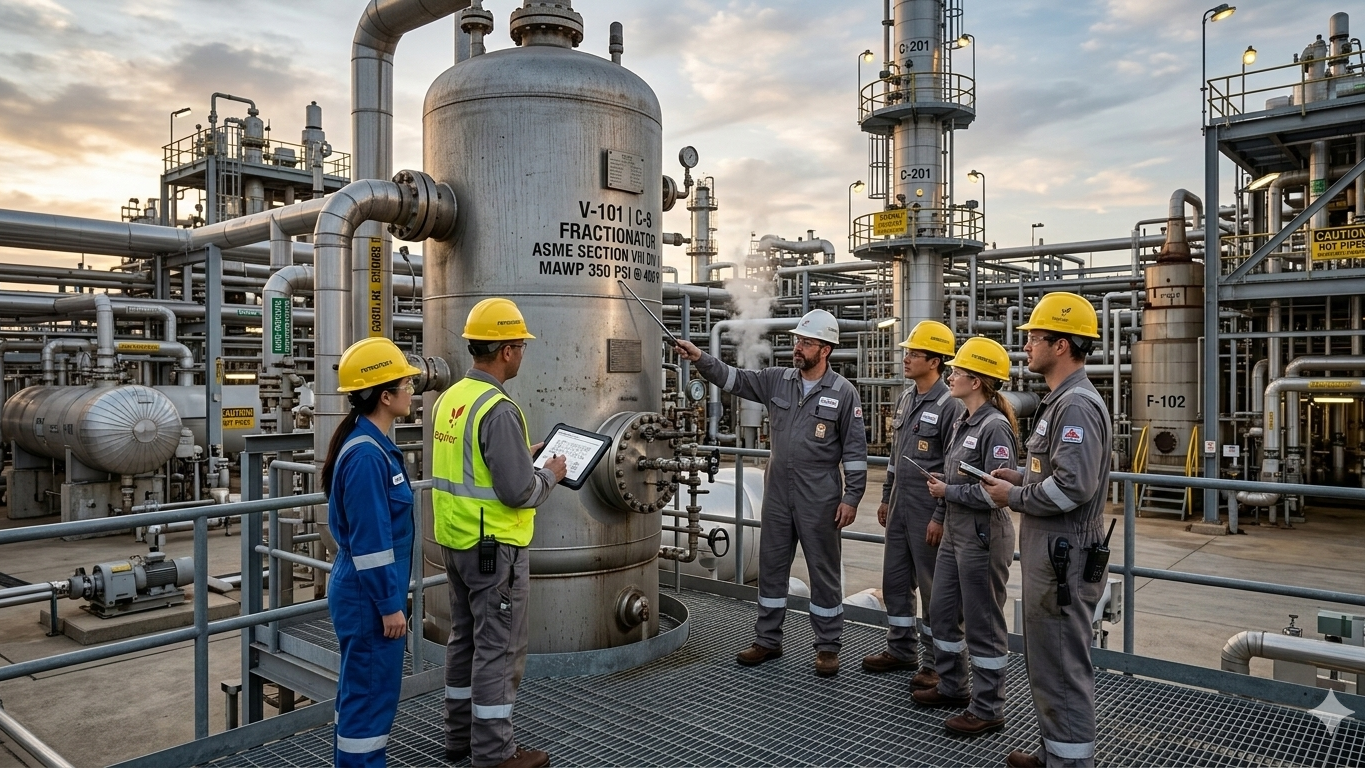
Join engineers worldwide in PetroSync ASME Training. Upgrade your skills, master global standards, and accelerate your career growth
As the oil and gas industry continues to expand across regions and technologies, engineering professionals are facing increasing expectations to work with internationally recognized standards. Companies are no longer looking only for experience—they are looking for engineers who understand global engineering codes and can apply them confidently in real-world operations.
In response to this growing demand, PetroSync continues to see engineers from various countries joining its ASME-focused training programs. The global training provider, known for delivering technical courses for the energy sector, supports professionals who want to deepen their expertise while helping companies strengthen their engineering capabilities.
For many organizations, technical training is not only about individual development. It is part of a broader strategy to ensure teams can operate safely, maintain compliance with international standards, and support long-term operational reliability.
Why Engineers Are Turning to Global Standards to Stay Competitive
In today’s competitive engineering landscape, professionals must continuously update their technical knowledge. The oil and gas industry operates under strict safety and reliability requirements, making international engineering standards a fundamental part of daily operations.
Engineers responsible for piping systems, pressure equipment, and maintenance activities often rely on recognized codes to guide their decisions. One of the most widely used references is ASME B31.3, which provides detailed guidance on the design, fabrication, inspection, and testing of process piping systems commonly used in refineries and petrochemical plants.
Similarly, engineers working on equipment maintenance and repair frequently apply the practices outlined in ASME PCC-2. This standard offers recommended procedures for repairing pressure equipment while ensuring the integrity and safety of industrial systems.
As engineering responsibilities become more complex, many professionals recognize that mastering these standards can significantly strengthen their career prospects. Understanding how to interpret and implement international codes allows engineers to contribute more effectively to critical projects and operational decision-making.
For many professionals, participating in structured technical training has become one of the most practical ways to gain this knowledge.
How Companies Use Technical Training to Strengthen Their Engineering Teams
Across the oil and gas sector, companies are increasingly investing in technical training as part of their workforce development strategy. Engineering managers and technical directors often play a key role in identifying capability gaps within their teams and recommending specialized training programs.
From a business perspective, these decisions are rarely made casually. Leaders responsible for operations must ensure their teams possess the technical knowledge required to maintain safe and reliable facilities.
Structured training programs help companies achieve several important objectives:
Strengthening engineering competence across departmentsReducing operational risks caused by incorrect code interpretationImproving asset reliability and maintenance efficiencyEnsuring compliance with global engineering standards
Programs such as ASME B31.3 Training provide engineers with deeper insight into process piping systems and how international standards are applied in real industrial environments.
For organizations managing large-scale infrastructure, this type of training helps build stronger engineering teams capable of supporting both operational performance and regulatory compliance.
From Technical Consultation to Corporate Approval: The B2B Training Journey
Technical training in the oil and gas sector typically follows a structured B2B process. Before registering participants, companies often begin by consulting with training providers to ensure the program aligns with their operational needs.
This consultation stage allows engineering leaders to discuss technical challenges, identify relevant course topics, and determine whether a training program matches the specific requirements of their organization.
In many cases, the decision-making process involves several stakeholders within the company. Engineering managers, department heads, and learning and development teams may collaborate to evaluate training options and determine which program will deliver the greatest value.
Once a program is selected, the process usually moves through internal approval steps, which may include:
Technical evaluation by engineering departmentsBudget approval from managementProcurement or corporate training approvalFinal participant registration
Although this process may take time, it ensures that training investments are aligned with organizational priorities and operational goals.
Training providers like PetroSync are accustomed to supporting companies through these steps, helping streamline communication and ensuring a smooth registration experience for corporate participants.
Advancing Your Career Through PetroSync ASME Training
For engineers working in high-risk and technically demanding industries, continuous learning is essential. As projects grow more complex and equipment standards evolve, professionals must remain confident in their ability to interpret engineering codes and apply them effectively.
PetroSync’s ASME training programs are designed to help engineers develop this confidence. Through expert-led sessions, real-world case discussions, and practical explanations of industry standards, participants gain a deeper understanding of how engineering codes influence operational decisions.
Engineers who participate in these programs often report that the training helps them approach technical challenges more systematically and communicate more effectively with colleagues, inspectors, and management teams.
For companies, the impact extends beyond individual learning. Organizations gain teams that are better equipped to manage critical infrastructure, maintain compliance, and support long-term operational performance.
As more engineers worldwide seek to strengthen their expertise and advance their careers, training programs focused on global engineering standards continue to play an important role in shaping the future of the industry.
This press release has also been published on VRITIMES