
Instagram, TikTok, and Shopify as Global Storefronts
Social commerce has fundamentally changed how Philippine fashion brands reach international customers. Instead of relying solely on trade shows and physical boutiques, many designers now use Instagram and TikTok to showcase collections, share behind-the-scenes production, and sell directly through integrated shopping features. This shift has lowered the barrier to entry for small and medium-sized labels that previously could not afford international distribution.
Live Selling and Cross-Border Logistics
Live selling has become a powerful tool for Philippine fashion brands targeting overseas Filipino communities and Southeast Asian markets. Platforms like TikTok Shop and Facebook Live enable real-time product demonstrations, instant customer feedback, and immediate orders. Cross-border logistics providers have responded by offering cheaper shipping rates and faster delivery windows, making it feasible for a Manila-based atelier to serve customers in Los Angeles, Dubai, or Sydney within a week.
Case Study: Filipiniana E-Commerce Platforms
Dedicated e-commerce platforms specializing in Filipiniana wear have experienced rapid growth by catering to the global Filipino diaspora. These platforms combine modern sizing technology with traditional silhouettes, allowing customers abroad to order barongs, ternos, and modern Filipiniana dresses for weddings, christenings, and cultural events. Their success demonstrates that cultural identity can be a strong driver of online sales, especially when paired with reliable fulfillment.
Data on Digital Apparel Sales
According to Statista’s 2026 e-commerce outlook for the Philippines, fashion is one of the fastest-growing online categories, with apparel e-commerce revenue projected to surpass USD 2.9 billion Statista. This growth is not limited to domestic transactions; a significant portion comes from cross-border purchases by Filipinos living abroad and international customers discovering Philippine brands through social media algorithms.
From Niche Drops to International Order Books
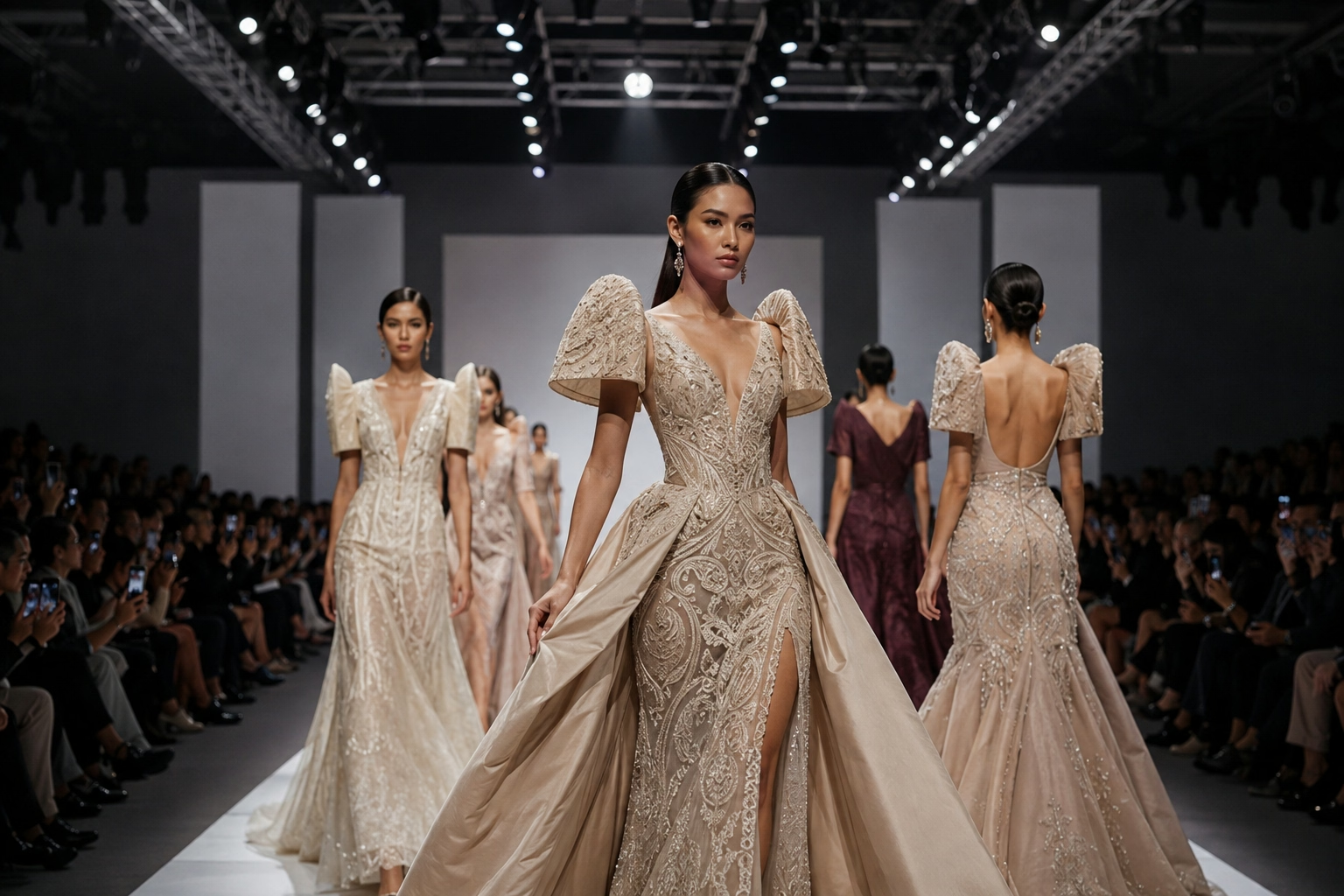
The digital runway has also become a marketing event. Philippine Fashion Week and independent designers now stream their shows on YouTube and Instagram, generating immediate pre-orders from international buyers. This model compresses the traditional fashion calendar and allows smaller labels to test demand before committing to large production runs. As a result, many Philippine brands are adopting a made-to-order or limited-drop model that reduces waste and improves cash flow.
The convergence of social commerce, digital fashion shows, and improved logistics is transforming Philippine fashion from a local industry into a globally accessible market. The next step will likely involve more sophisticated use of artificial intelligence for personalized recommendations and virtual fitting rooms.