
Malaysia’s education system has undergone significant evolution over the years, reflecting the country’s ambitions to position itself as a competitive player in the global economy. With a growing focus on knowledge-based industries, there is a pressing need to continuously innovate the educational framework to keep pace with global trends, particularly in the realm of technology.
Current Structure of Education in Malaysia
The Malaysian education system is divided into four primary stages: preschool, primary, secondary, and tertiary education. Preschool education in Malaysia is not compulsory, although it plays an essential role in preparing young learners for primary education. Primary education is compulsory and free for all Malaysian children between the ages of six and twelve. Upon completing primary school, students progress to secondary school for a further five years, where they are prepared for the Malaysian Certificate of Education (Sijil Pelajaran Malaysia, SPM) exam. This comprehensive structure forms the foundation of Malaysia’s educational framework, providing students with knowledge and critical skills.
Government-Driven Educational Reforms
To maintain educational relevance, the government has consistently introduced reforms aimed at enhancing teaching practices, curricular content, and student outcomes. The Malaysia Education Blueprint 2013-2025 lays out an ambitious roadmap for transforming the nation’s education system. The blueprint focuses on improving educational quality, accessibility, and inclusivity. It highlights the need to raise the standard of education to meet international benchmarks, ensuring that Malaysian students are equipped with the skills and competencies necessary to thrive in the 21st century.
Innovation and Technological Integration in Education
One of the key areas of focus in the educational reforms is the integration of information and communication technology (ICT) in classrooms. The government launched the “1BestariNet” initiative to provide internet access to all schools across Malaysia, ensuring that students, even in remote areas, can benefit from digital learning resources. This initiative aims to close the gap between urban and rural schools, offering equal opportunities for students in all regions.
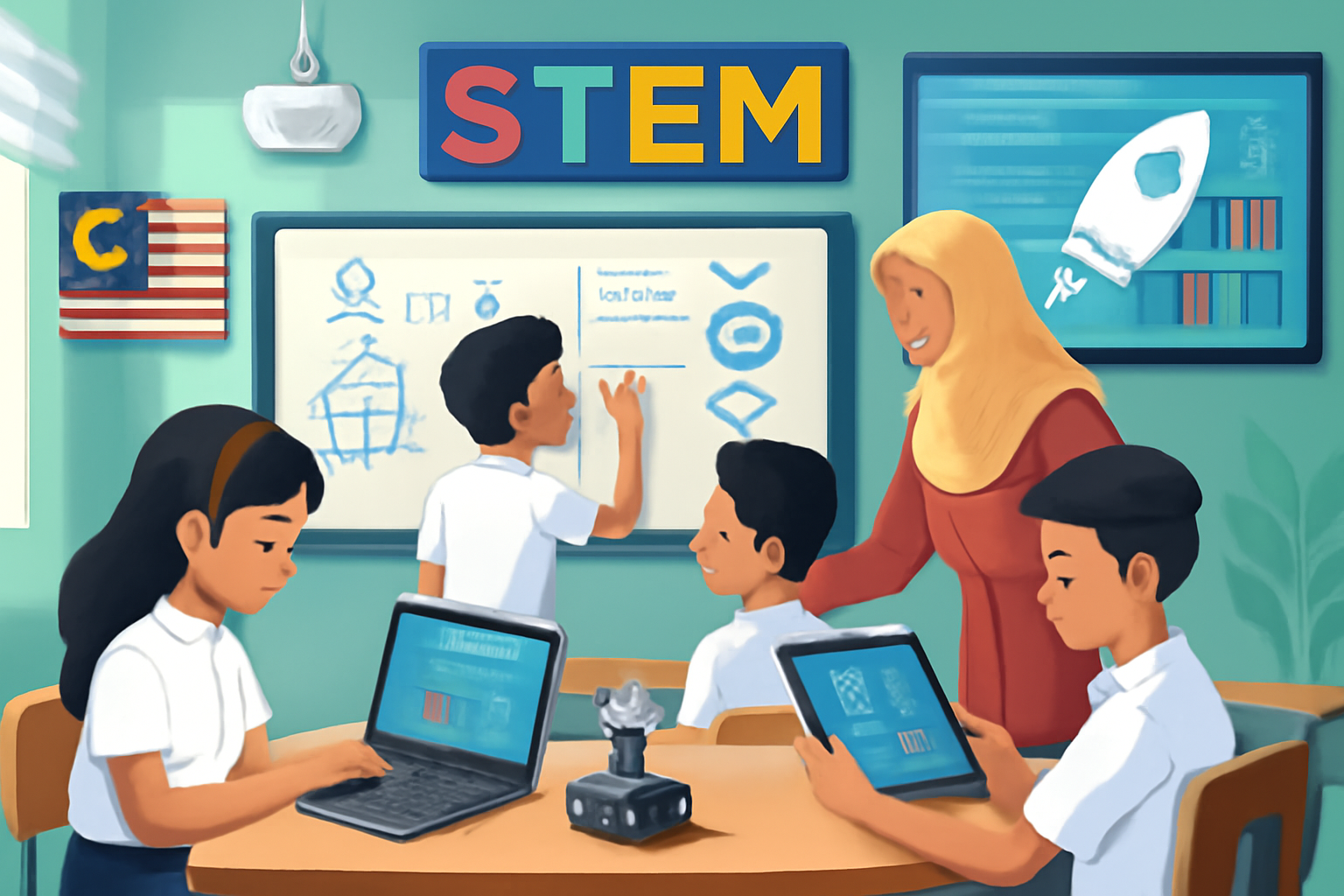
Furthermore, the “Smart Schools” initiative has brought digital technology directly into the classroom. This includes the use of interactive whiteboards, online learning platforms, and video conferencing tools, all of which facilitate more engaging, interactive, and personalized learning experiences. These tools allow teachers to tailor lessons to the needs of their students, enhancing overall educational outcomes. Malaysia is also investing in digital learning platforms and e-books, providing students with access to a wealth of resources beyond the traditional textbook.
Focus on STEM Education
In line with global educational trends, Malaysia has placed a strong emphasis on Science, Technology, Engineering, and Mathematics (STEM) education. The country recognizes the growing demand for skilled workers in these fields and has introduced policies to foster greater interest in STEM subjects from an early age. The government is also working on improving the delivery of STEM education through enhanced teacher training, curriculum improvements, and industry partnerships that provide students with real-world experience in these fields.
However, one challenge that remains is ensuring that STEM education reaches all students equitably. While urban schools generally offer well-resourced STEM programs, rural schools often lack the infrastructure and support necessary to deliver quality STEM education. The government is working towards addressing these discrepancies by providing training for teachers and introducing more resources in rural schools to support the learning of STEM subjects.
Challenges in Technological Implementation
Despite significant advancements in technological integration, challenges persist. One of the primary concerns is the digital divide that exists between urban and rural schools. Students in cities often have access to modern digital learning tools, whereas students in rural or remote areas may not have consistent access to the internet or digital devices. While the “1BestariNet” initiative aims to bridge this gap, the rollout has been met with challenges such as inconsistent internet connectivity and logistical issues related to providing hardware and software to all schools. This remains a major barrier to ensuring that all students receive equal opportunities in terms of access to quality education.
Teacher Training and Professional Development
For these technological innovations to be successful, teachers need to be equipped with the skills and knowledge to effectively incorporate technology into their teaching. The government has introduced various professional development programs aimed at enhancing teachers’ digital literacy, enabling them to use online tools and technologies in their classrooms. These programs focus not only on technical skills but also on how to design interactive and engaging lessons that incorporate technology. Continuous training is essential to ensure that teachers remain up-to-date with the latest educational technologies and methodologies.
Conclusion
Malaysia is making significant strides in improving its education system, particularly through the integration of technology and innovations aimed at enhancing learning quality. The government’s efforts to implement comprehensive educational reforms, such as the Malaysia Education Blueprint, the 1BestariNet initiative, and the focus on STEM education, demonstrate a strong commitment to improving educational outcomes for all students. However, challenges related to the digital divide and the need for consistent teacher professional development must be addressed to fully realize the potential of these reforms. Despite these obstacles, Malaysia’s efforts are setting the stage for a brighter, more inclusive future for its students.