
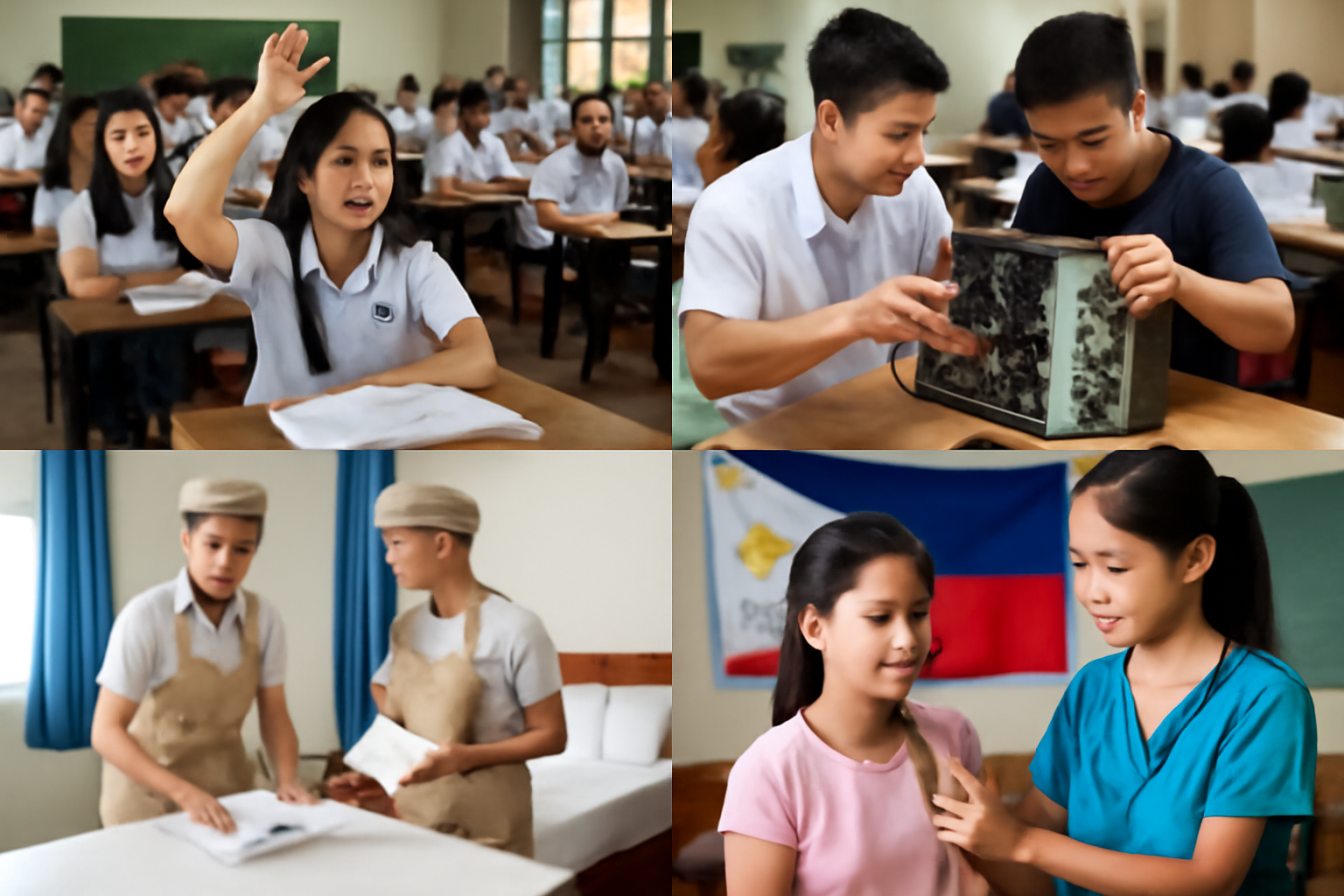
Education in the Philippines has always been a key driver of economic and social progress. As the country faces global challenges such as technological advancements, environmental concerns, and shifting job markets, the education system has adapted to better prepare Filipino youth for these emerging demands.
The K-12 system, which was implemented in 2013, marked a significant shift in the Philippine educational landscape. This reform extended the length of basic education from 10 to 12 years, with the goal of providing students with a more comprehensive learning experience. The two additional years of senior high school, in particular, have helped students develop specialized skills that align with their future academic or professional pursuits.
One of the standout features of the K-12 curriculum is the inclusion of both academic and technical-vocational tracks. These tracks allow students to explore subjects that align with their career goals, whether they are interested in science, engineering, business, or technical skills. The introduction of technical-vocational education ensures that students have access to real-world training, which prepares them for the workforce immediately after graduation.
In recent years, the Philippine government has also focused on integrating technology into the education system. Digital tools and e-learning platforms have revolutionized the way students learn, giving them access to a wider range of resources and opportunities to enhance their knowledge. This shift has fostered skills like digital literacy, communication, and teamwork, which are essential in a world driven by technology and globalization.
However, challenges remain. Disparities in access to quality education between urban and rural areas persist, with many rural schools lacking the necessary infrastructure and resources. The government has taken steps to address these disparities, but more work is needed to ensure that all students have equal access to quality education.
As the Philippines continues to invest in educational reforms and workforce development, the future looks promising. By preparing students with the right skills and knowledge, the country is laying the foundation for a generation that is capable of tackling global challenges and contributing to the nation’s growth.