
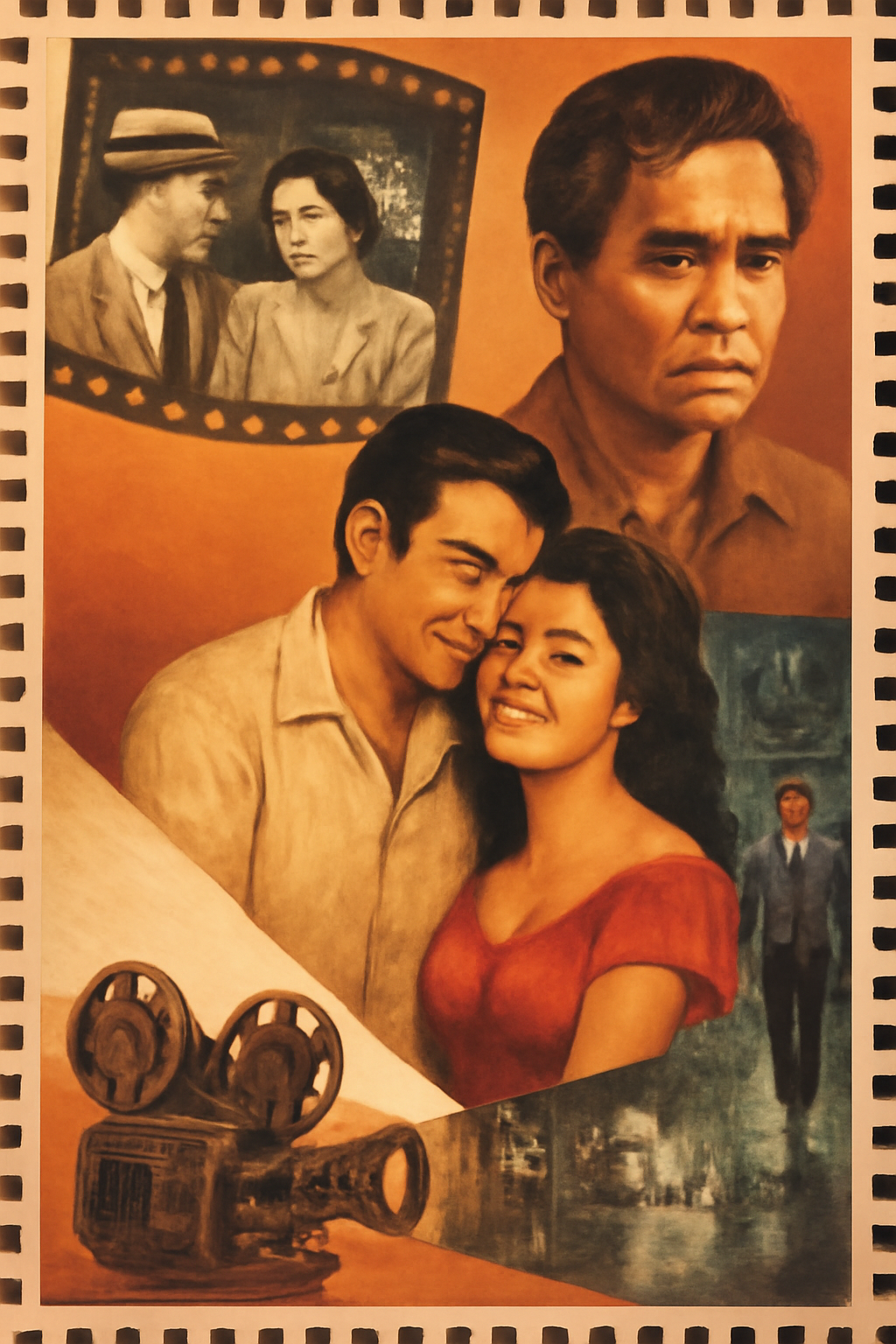
Philippine cinema boasts a long and storied history that is integral to the cultural fabric of the country. Since its inception in the early 20th century, the film industry has been shaped by historical events, political struggles, and the changing tastes of audiences. The first local film production, Dalagang Bukid (1919), introduced the medium to the Filipino public and laid the foundation for a thriving industry. This early melodramatic film established a template that would influence future generations of Filipino filmmakers.
During the 1930s, as the Philippines transitioned to American rule, the local film industry became increasingly influenced by Hollywood. However, Filipino filmmakers began to infuse their work with distinctly Filipino cultural elements, from local folklore to the struggles of the working class. In the 1940s, despite the ravages of World War II, the industry began to recover, and the post-war years saw the emergence of filmmakers who would shape the industry for decades to come.
By the 1950s and 1960s, the Philippine film industry had entered its Golden Age. High-quality films, often drawing from local history and social issues, began to dominate the box office. This era also saw the rise of iconic actors and actresses whose performances would become a staple in Filipino cinematic culture. However, the 1970s brought political unrest, as the Marcos regime imposed martial law, leading to the censorship of films. Yet, this period also inspired a new wave of filmmakers who used their films to challenge the political system.
In the 1980s, the end of the Marcos dictatorship ushered in a new era of filmmaking. Independent cinema gained prominence in the 1990s and 2000s, with directors like Lav Diaz and Brillante Mendoza creating award-winning films that brought Philippine cinema to the international stage. These films often focused on social issues, such as poverty and human rights, and were recognized at prestigious international film festivals like Cannes.
Today, the Philippine film industry is navigating new challenges, such as the rise of digital filmmaking and streaming platforms. However, Filipino filmmakers continue to push boundaries, combining traditional storytelling with innovative technologies. The future of Philippine cinema looks promising, with new voices emerging to tell stories that resonate not only with Filipino audiences but with global viewers as well.