
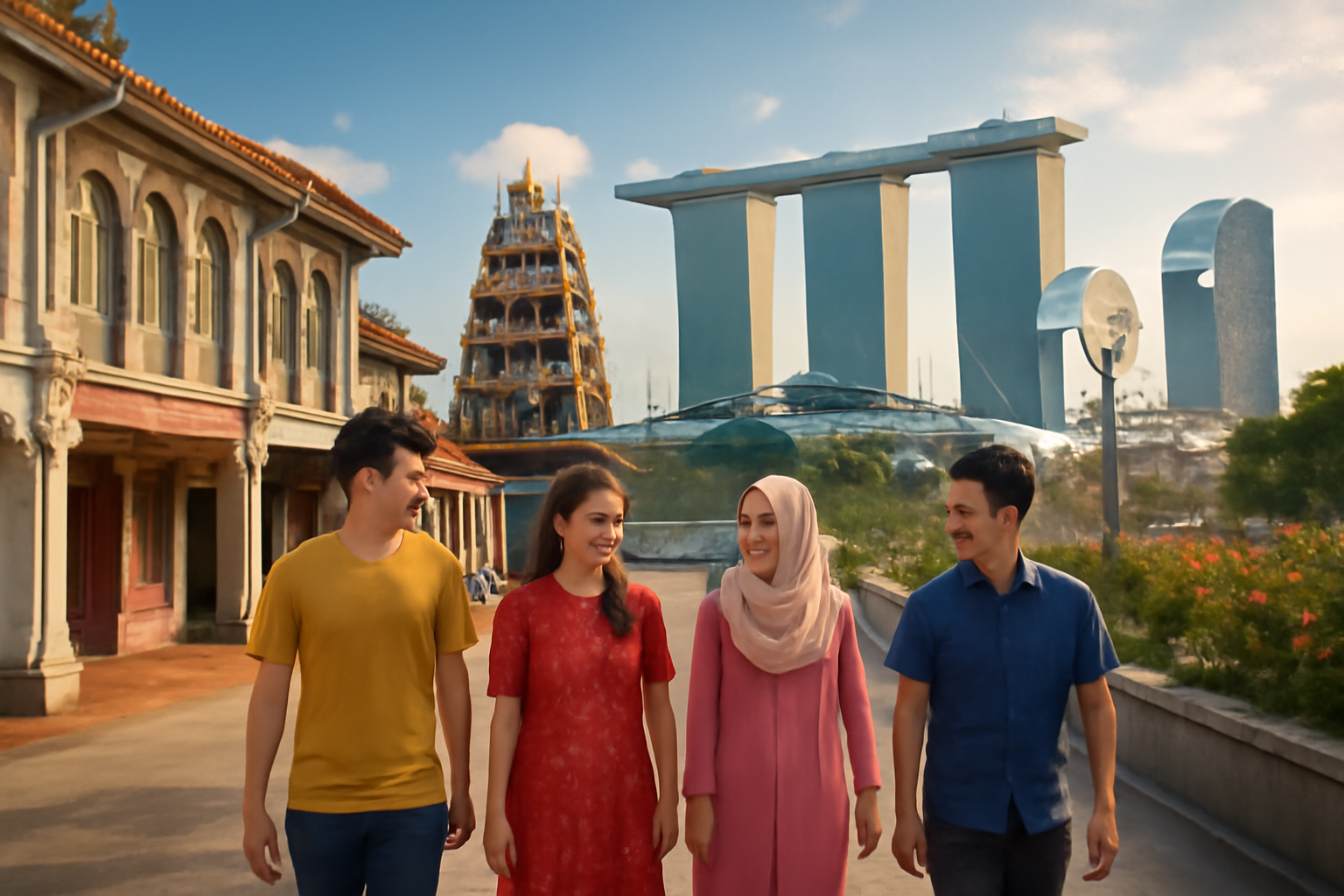
Singapore is often seen as a symbol of modernity, boasting state-of-the-art infrastructure, cutting-edge technology, and a thriving economy. However, what truly sets Singapore apart is the harmonious balance it strikes between tradition and modernity, especially in its social life. The blending of diverse cultural traditions with contemporary practices is not just a characteristic of Singapore—it is the foundation upon which the city-state has built its identity.
Multiculturalism as the Foundation of Social Life
One of the most striking aspects of Singapore’s social life is its multiculturalism. The nation is a melting pot of ethnic groups, including the Chinese, Malays, Indians, and others, who bring their own traditions, languages, and beliefs to the social landscape. This cultural diversity is celebrated throughout the year in the form of festivals such as the Lunar New Year, Hari Raya, Deepavali, and Christmas, all of which contribute to the vibrant social atmosphere.
The Singaporean government has implemented various policies that encourage racial harmony, ensuring that all citizens, regardless of ethnicity or religion, are treated with respect and equality. These efforts have fostered a sense of unity among the population, with multiculturalism being one of the nation’s greatest strengths. Singaporeans are proud of their cultural heritage, and this pride is reflected in their daily lives, from food and language to architecture and celebrations.
Modernity and Progress in a Traditional Setting
While cultural traditions are deeply cherished, Singapore’s rapid modernization is just as integral to its social identity. The city-state is known for its futuristic skyline, which includes iconic structures like the Marina Bay Sands and the Singapore Flyer. The city is also a global leader in sustainability, innovation, and smart technologies, which are integrated into the everyday lives of its residents.
Yet, Singapore’s approach to modernization is unique in that it incorporates its cultural and historical heritage into the city’s growth. Many of the city’s historic buildings have been preserved and integrated into new developments, ensuring that the past is not lost in the pursuit of progress. For example, the conservation of Chinatown and Little India allows residents and tourists to experience the rich history and cultural heritage that form the foundation of Singapore’s identity.
Social Norms and the Value of Tradition in a Modern World
In Singapore, family values continue to be an important aspect of social life, with respect for elders being a key component of cultural norms. At the same time, Singapore is a global city where professionalism, ambition, and individual achievement are encouraged. This dual emphasis on traditional values and modern aspirations creates a dynamic society that values both collective well-being and individual success.
Education plays a key role in this balance, with the nation’s rigorous academic system focusing on both knowledge and character development. Singaporeans are taught to respect diversity while pursuing excellence in their fields. This blend of traditional respect for family and culture with modern ideals of personal achievement allows Singaporeans to thrive in a competitive global environment.
Conclusion
The social life in Singapore is a unique fusion of tradition and modernity, with both elements working in tandem to create a dynamic and cohesive society. Singapore’s cultural diversity, combined with its commitment to progress and innovation, has shaped it into a model of success that values both the past and the future. By embracing both tradition and modernity, Singapore has created a social environment where individuals and communities can flourish.