
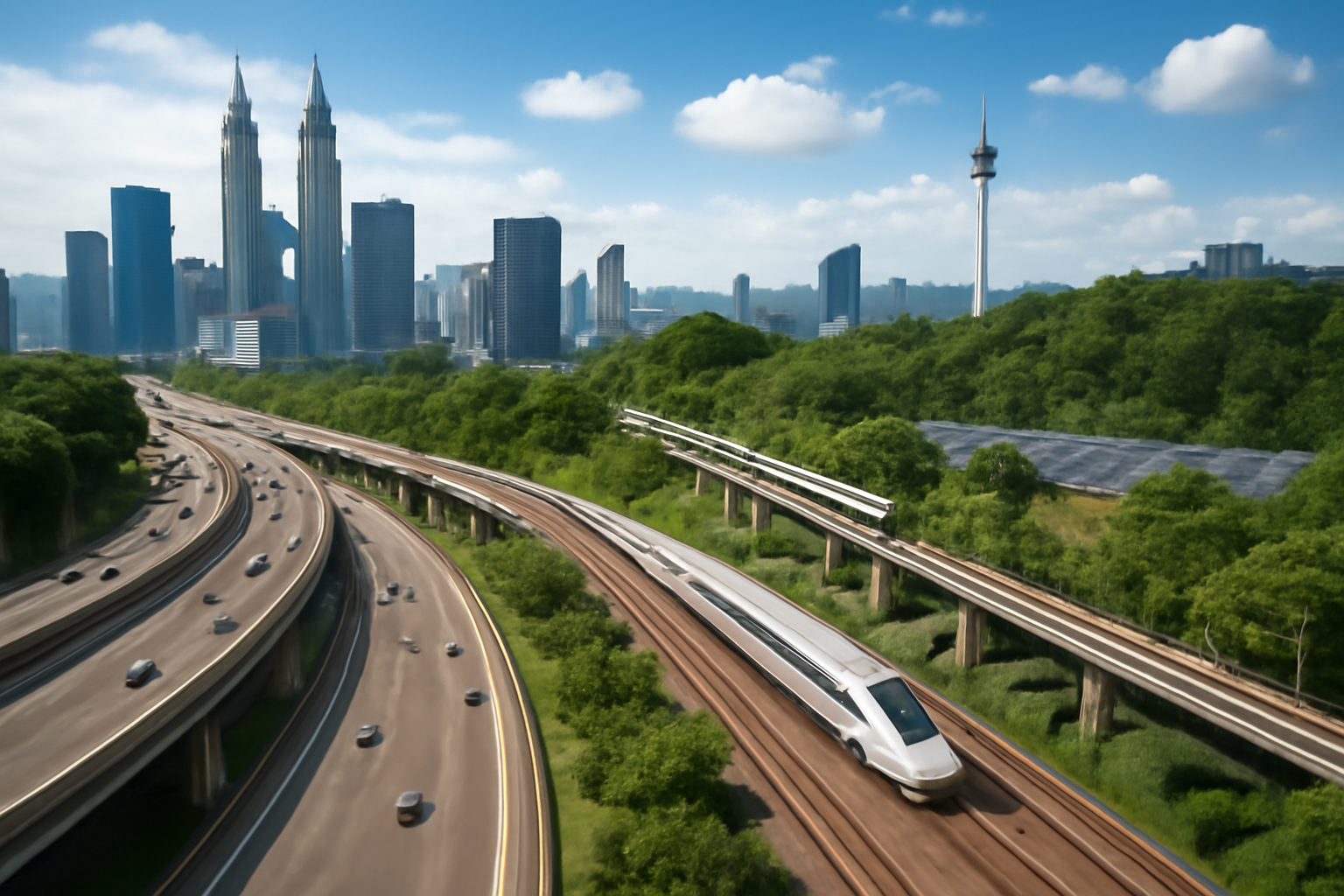
Malaysia’s infrastructure development has been a central focus of its national development plans for decades. From transportation networks to digital connectivity, infrastructure plays a crucial role in connecting Malaysia’s diverse regions and fostering long-term growth. This article explores how infrastructure development in Malaysia is crucial for both economic and social development.
Transportation Networks and Connectivity
Malaysia’s geographical diversity means that regional connectivity has always been a challenge. However, through sustained investment in transportation infrastructure, Malaysia has been able to bridge this gap. The development of highways like the North-South Expressway and East Coast Expressway has greatly improved transportation between urban and rural areas, facilitating the movement of goods, services, and people.
In addition to roads, Malaysia’s extensive rail network and seaports provide critical links within the country and internationally. The expansion of the rail system, such as the Light Rail Transit (LRT) and the Kuala Lumpur Mass Rapid Transit (MRT), has significantly reduced congestion and improved urban mobility.
Economic Growth through Strategic Infrastructure
Infrastructure development in Malaysia is closely tied to economic development. Improved transportation networks and logistics infrastructure open up new areas for economic activity. The development of specialized zones such as Free Trade Zones (FTZs) and industrial parks has supported the growth of key industries, such as manufacturing, electronics, and agriculture.
Additionally, Malaysia’s growing digital infrastructure is providing new avenues for economic growth, as it opens up opportunities for digital entrepreneurship, fintech innovations, and e-commerce expansion. These technological advances help connect Malaysia to global markets and increase competitiveness.
Improving Social Well-Being
Infrastructure development also contributes to social well-being by improving access to essential services like healthcare, education, and utilities. Investment in public transportation systems reduces the social divide, while efforts to improve internet access in underserved areas ensure that no one is left behind in the digital age.
Sustainable urban planning and the development of green spaces also improve the quality of life for Malaysia’s residents, creating more livable, eco-friendly cities.
Towards a Sustainable Future
Looking ahead, Malaysia’s infrastructure development must prioritize sustainability. The government is increasingly focusing on projects that minimize environmental impact, such as renewable energy initiatives, green transportation, and smart city technologies. These measures are essential for ensuring that Malaysia’s growth is both economically and environmentally sustainable.