
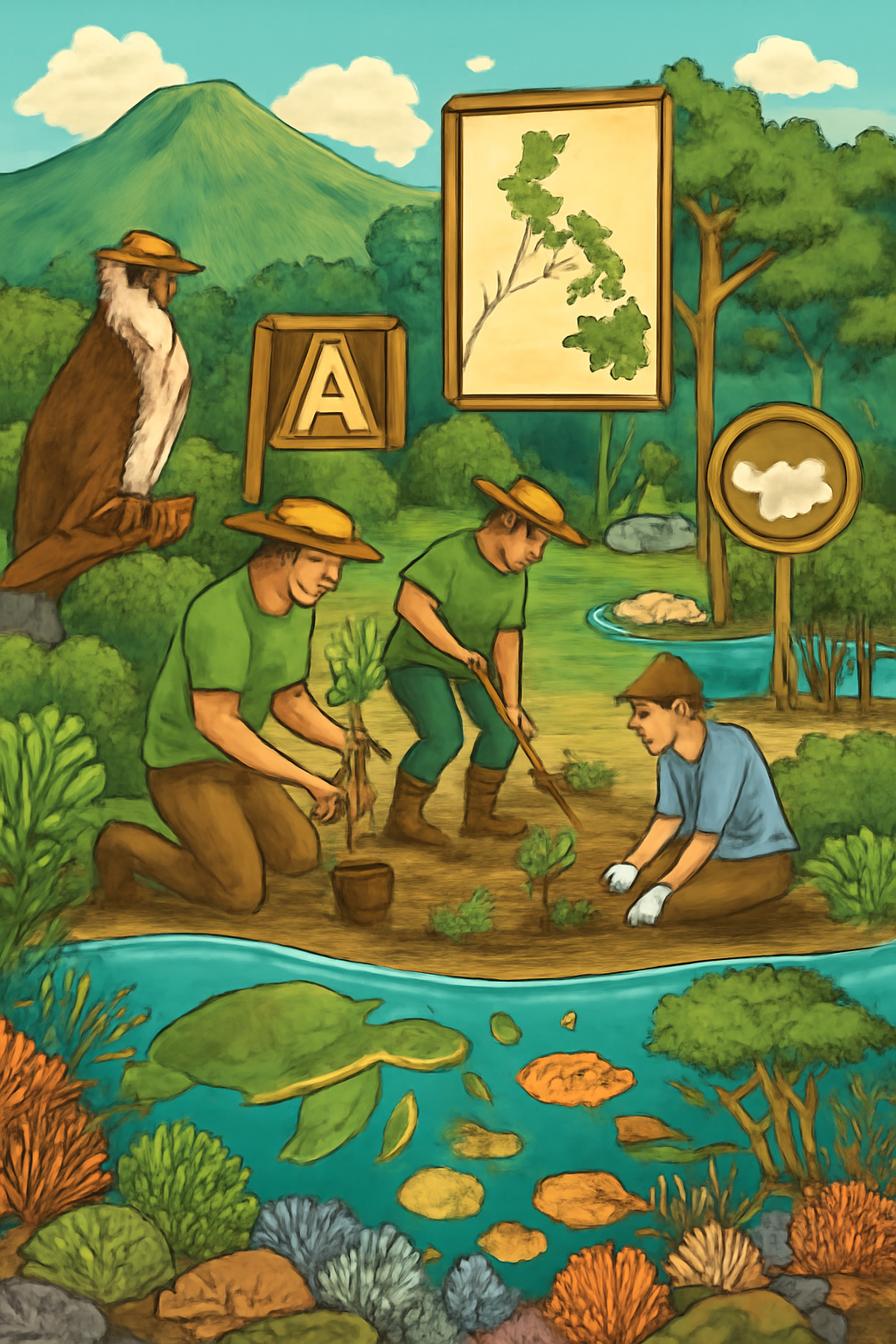
As an archipelago located in the heart of the Coral Triangle, the Philippines boasts some of the most biologically diverse ecosystems in the world. However, this abundance of natural resources is increasingly threatened by activities such as deforestation, overfishing, and pollution. To counter these issues, the country has initiated several environmental conservation programs aimed at protecting its diverse ecosystems and ensuring a sustainable future.
One of the key strategies in the Philippines’ environmental protection efforts is the establishment of protected areas. Under the National Integrated Protected Areas System (NIPAS) Act, the government has designated more than 240 protected areas across the nation. These areas are critical habitats for numerous species, some of which are endemic to the Philippines. For instance, the Philippine tarsier and the Philippine eagle are just two examples of species that benefit from the protection provided by these conservation areas.
Another critical component of the Philippines’ conservation efforts is reforestation. The National Greening Program (NGP), launched in 2011, aims to restore degraded lands by planting millions of trees. This ambitious program helps combat deforestation, mitigate the effects of climate change, and improve water quality by reducing soil erosion. The program also involves local communities in reforestation activities, creating jobs and fostering a sense of ownership over the environment.
Marine conservation is also a priority in the Philippines, as the country is surrounded by rich marine ecosystems. The Philippines is home to over 500 species of coral, as well as a vast array of marine life, including sea turtles, dugongs, and various fish species. Marine protected areas (MPAs) have been established to conserve coral reefs, mangroves, and seagrass beds, which play vital roles in protecting coastlines and supporting fisheries.
While progress has been made in environmental conservation, challenges such as illegal logging, illegal fishing, and climate change continue to hinder efforts. In response, the government has strengthened law enforcement, and local communities have been engaged in sustainable resource management practices.
In conclusion, the Philippines is making significant strides in environmental conservation, but continued efforts and collaboration are necessary to ensure the long-term protection of its natural heritage. The government, NGOs, and local communities must work together to address the challenges and protect the country’s biodiversity for future generations.