
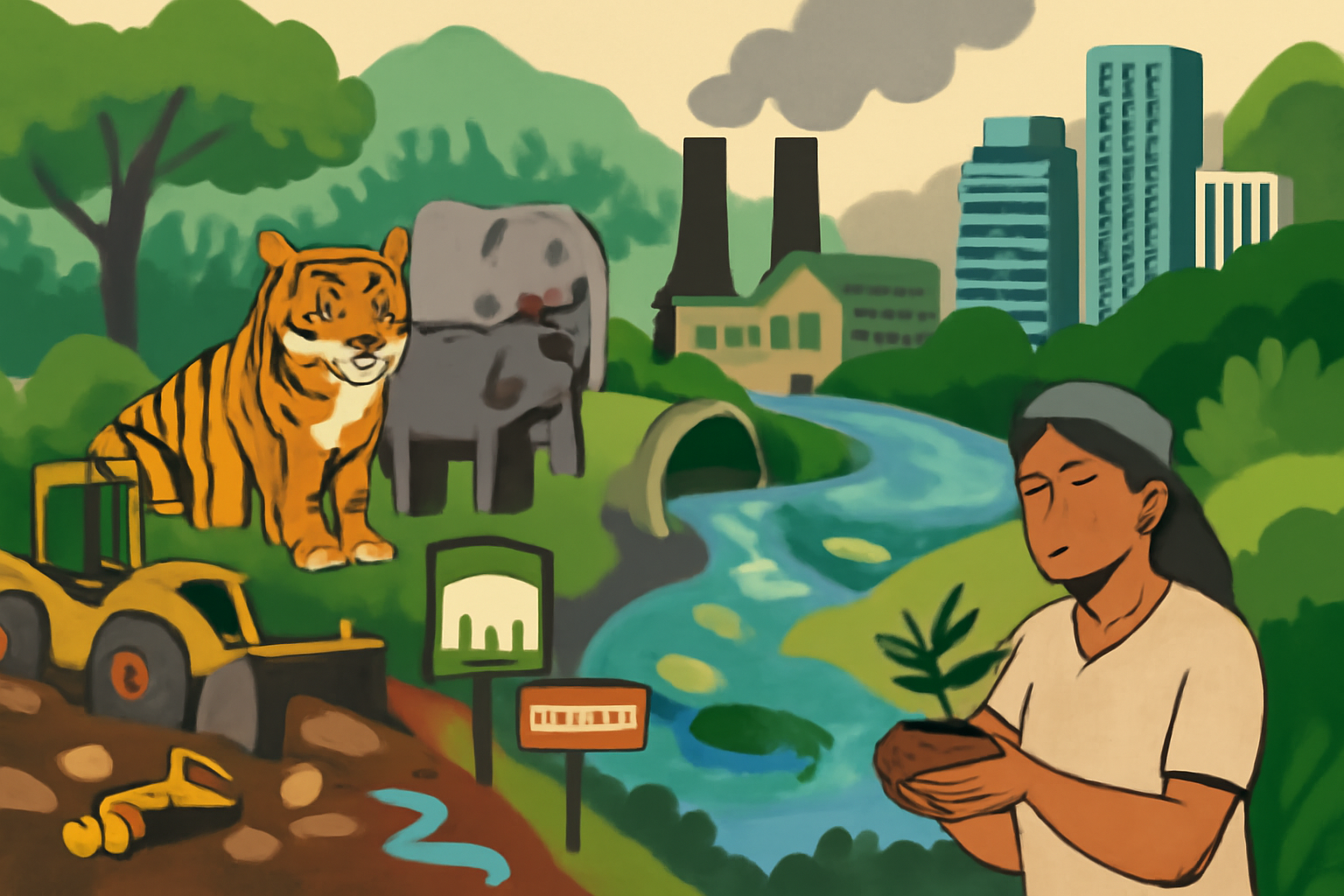
Malaysia is home to some of the world’s most biodiverse ecosystems, but the country is grappling with serious environmental challenges. Deforestation, pollution, and overexploitation of natural resources are threatening Malaysia’s ecological balance. Despite these challenges, efforts to promote conservation and sustainable development are taking shape.
Deforestation: The Impact on Biodiversity
One of the most serious environmental threats to Malaysia is deforestation. The country’s tropical rainforests, which house a vast array of plant and animal species, are being destroyed at an alarming rate. The main driver of deforestation is the expansion of palm oil plantations. While the palm oil industry provides substantial economic benefits, it has led to the destruction of critical habitats for endangered species.
Malaysia has taken steps to address this issue, including the establishment of protected areas and the implementation of sustainable palm oil production practices. The Malaysian Palm Oil Certification Council (MPOCC) has created standards for sustainable palm oil, and several companies have committed to adhering to these guidelines. However, the challenge remains to ensure widespread compliance.
The Pollution Crisis
The rapid industrialization and urbanization of Malaysia have led to increased pollution levels, particularly in urban areas. The air quality in cities such as Kuala Lumpur is frequently compromised due to industrial emissions and vehicular traffic. Water pollution is also a significant issue, with many of the country’s rivers and lakes contaminated by agricultural runoff, sewage, and plastic waste.
To tackle pollution, Malaysia has implemented several waste management initiatives and pollution control programs. The government has introduced laws to regulate industrial discharge, and there are increasing efforts to reduce plastic waste. However, significant improvements are still needed to address the scale of the pollution problem.
Conservation Strategies in Malaysia
Conservation efforts in Malaysia have focused on protecting endangered species and their habitats. Malaysia is home to several iconic species, including the Malayan tiger, Bornean orangutan, and the Sumatran rhinoceros. The government, together with NGOs, has worked to establish protected areas and wildlife sanctuaries to safeguard these species. Additionally, Malaysia has promoted eco-tourism as a means of funding conservation activities and raising awareness about environmental issues.
The government has also implemented reforestation projects aimed at restoring degraded land and improving biodiversity. These efforts, combined with a push for sustainable development practices, are gradually helping to mitigate the effects of deforestation and habitat loss.
Community Involvement in Conservation
Local communities have an essential role to play in Malaysia’s conservation efforts. By engaging communities in conservation activities, Malaysia is ensuring that conservation strategies are more sustainable in the long term. Community-based eco-tourism initiatives, which offer locals a stake in preserving their natural resources, have proven to be effective.
In addition, the government has supported various programs aimed at educating the public about environmental conservation. These programs focus on sustainable farming, recycling, and the importance of biodiversity.
Conclusion
The environmental challenges facing Malaysia are significant, but the country is making progress in its conservation efforts. Through government policies, sustainable practices, and community involvement, Malaysia is working toward a more sustainable future. Continued efforts are needed to ensure the protection of its rich natural heritage.