
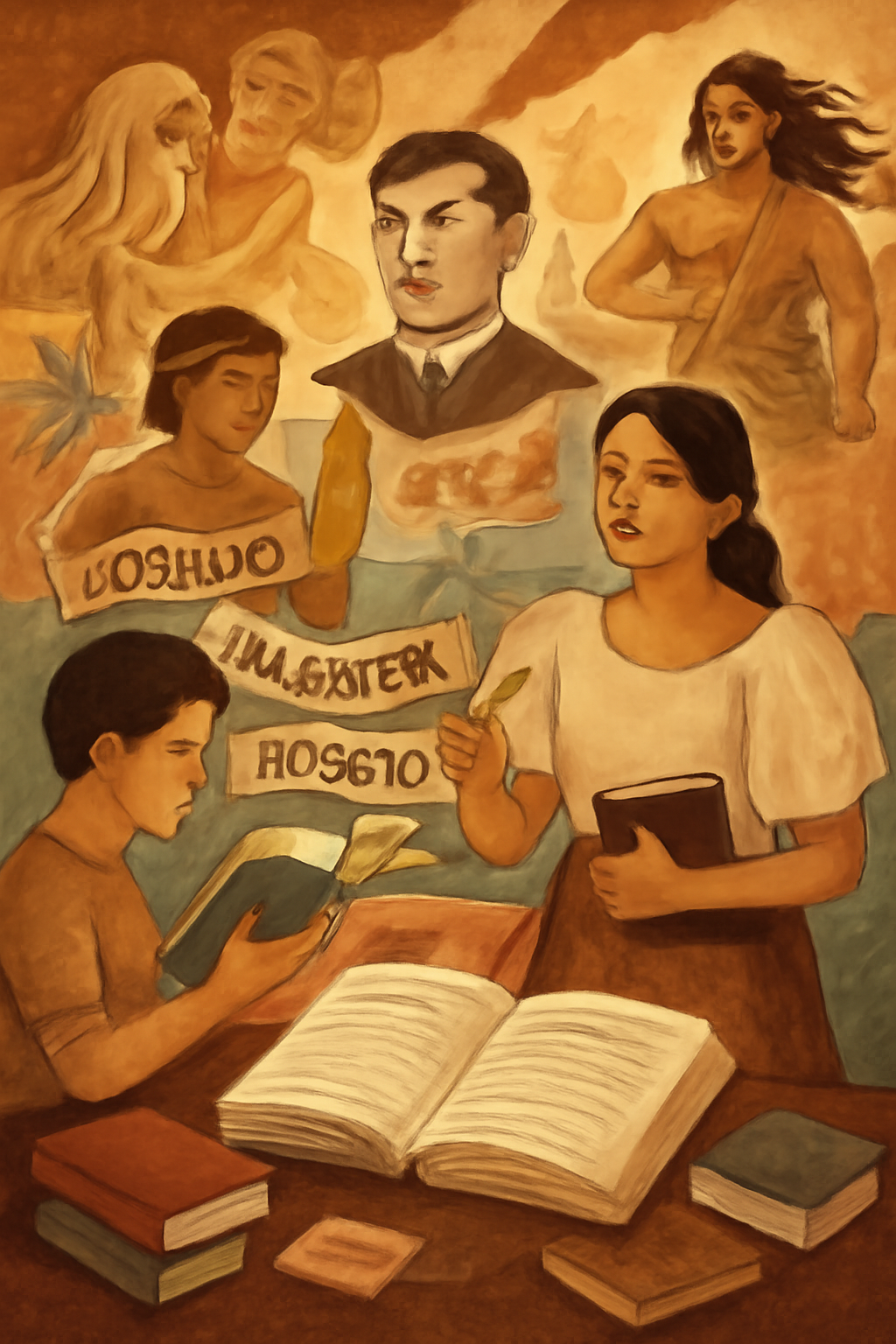
Philippine literature is a dynamic expression of the country’s diverse cultures, languages, and history. Through its evolution, literature has played an essential role in shaping national identity and fostering a sense of unity among Filipinos, despite the nation’s linguistic and regional diversity. Language, as both a tool for communication and a means of artistic expression, has shaped the development of Filipino literature from its earliest forms to its contemporary expressions.
One of the most fascinating aspects of Philippine literature is the country’s linguistic diversity. With over 170 languages spoken across its islands, the Philippines presents a unique challenge in terms of fostering national unity. Filipino, based on Tagalog, was chosen as the national language in the 20th century in an effort to bridge the gap between different linguistic groups. This decision helped promote a common cultural and literary identity, even as regional languages continued to thrive alongside Filipino.
Before the arrival of foreign colonizers, Philippine literature was largely oral, passed down through generations by storytelling. Myths, epics, and riddles were the primary means through which the ancient Filipinos conveyed knowledge, history, and cultural values. Notable examples of pre-colonial literature include the Hudhud of the Ifugao and the Ibalon of the Bikolano people. These works celebrated heroic deeds and communicated important lessons about the society’s worldview.
The Spanish colonization of the Philippines in the 16th century marked a turning point in the country’s literary history. Spanish became the language of the colonial government, religion, and education. Filipino writers began to write in Spanish, creating a body of literature that reflected the complexities of colonial life. Religious works dominated the literary scene, but secular pieces, especially those that critiqued Spanish rule, began to emerge.
The most notable works of this period are the novels of José Rizal, particularly Noli Me Tangere and El Filibusterismo. These works are considered pivotal in the rise of Filipino nationalism and the struggle for independence. Rizal’s critique of Spanish colonialism through his writing encouraged other Filipinos to question the status quo and ultimately led to the Philippine Revolution of 1896.
Under American rule, English became the dominant language of instruction and government. This new linguistic shift allowed Filipino writers to explore a different avenue for expression, and many embraced English as a means to communicate with a broader global audience. Writers such as Nick Joaquin, F. Sionil José, and Carlos Bulosan produced influential works in English that captured the nuances of Filipino identity and the social challenges the country faced in the modern world.
The post-colonial era saw Philippine literature become an even more powerful tool for social commentary and political activism. During the martial law years under Ferdinand Marcos, writers like Ninotchka Rosca used their works to critique the authoritarian regime and advocate for democratic values. The works from this period are now regarded as important historical documents that reflect the struggles for freedom and justice.
In the present day, Philippine literature continues to flourish, with authors writing on diverse themes such as identity, migration, family, and societal change. Writers like Lourd de Veyra and Mia Alvar tackle contemporary issues while still drawing upon the rich literary traditions of the past. Today, Philippine literature is an ever-evolving field, reflecting the ongoing cultural dialogue within the country and the world at large.
In conclusion, the evolution of language and literature in the Philippines has been deeply intertwined with the nation’s quest for identity, unity, and independence. Through literature, Filipinos have been able to explore their history, assert their cultural values, and express their aspirations for a better future. Filipino literature, in all its forms and languages, remains a vital part of the nation’s ongoing story.