
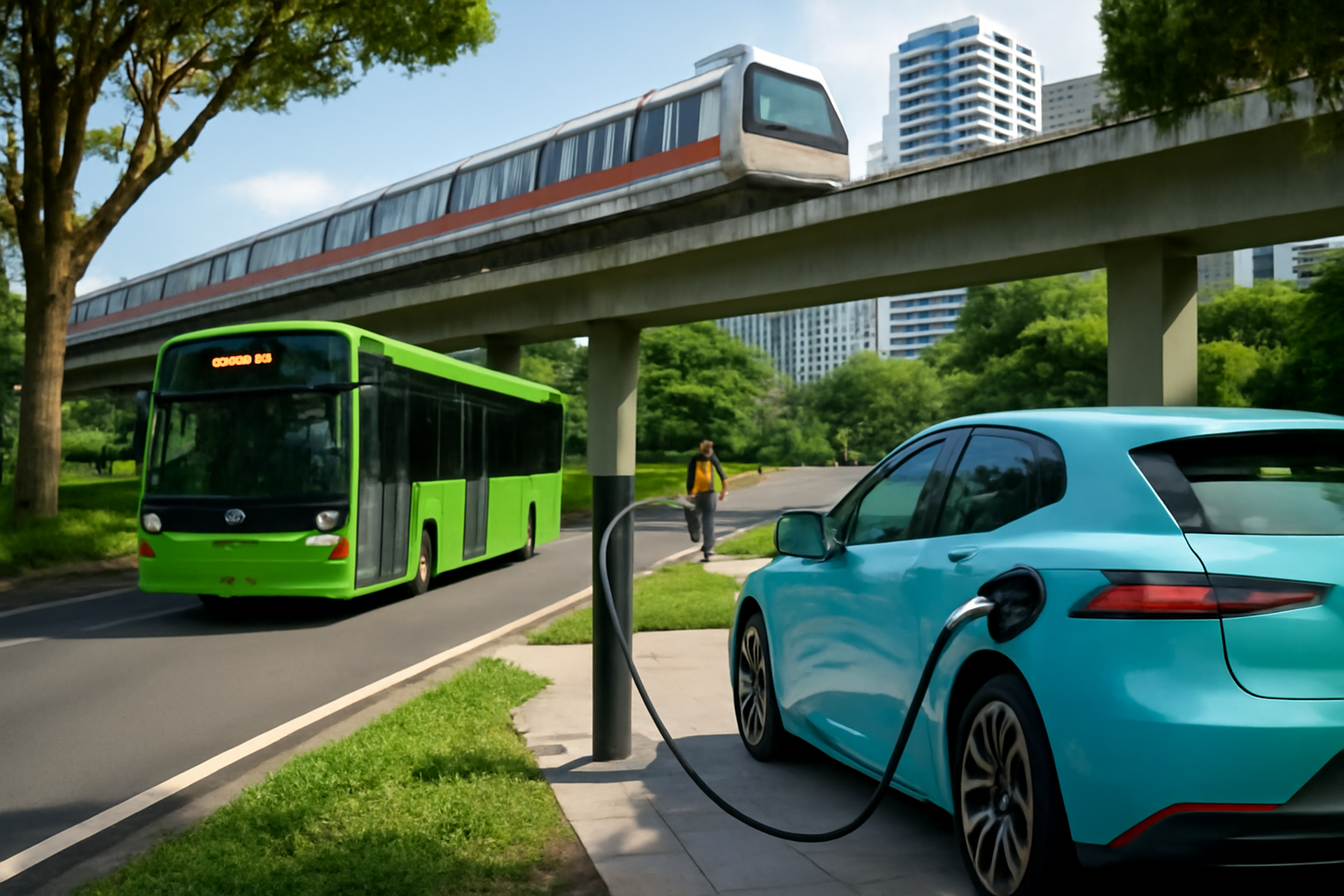
Singapore’s transportation network is regarded as one of the most advanced and sustainable in the world. The system is meticulously designed to ensure high efficiency while minimizing environmental impact. With a population of over 5 million people, Singapore has succeeded in developing a transportation system that is both convenient for its residents and environmentally responsible.
The Mass Rapid Transit (MRT) system plays a pivotal role in the city-state’s transport strategy. The MRT network is extensive, linking key districts and neighborhoods across Singapore. It is known for its punctuality and reliability, which makes it the preferred mode of transport for millions. The MRT is complemented by an efficient bus system that covers areas not served by the train network, providing complete coverage for the island.
Sustainability is a core value in Singapore’s transportation planning. One of the key initiatives in this area is the shift towards electric vehicles. The government has outlined an ambitious target to phase out internal combustion engine vehicles by 2040, promoting a transition to electric cars. This plan is supported by the creation of a robust network of electric vehicle charging stations, making it easier for residents to adopt EVs.
Additionally, electric buses are becoming a common sight on Singapore’s streets. These buses contribute to cleaner air by reducing the city’s carbon footprint and also provide a quieter, more comfortable ride for passengers. The government’s investment in electric public transport is a clear indication of its commitment to environmental sustainability.
Singapore has also implemented the Electronic Road Pricing (ERP) system to address traffic congestion. This system charges vehicles based on the roads they use and the time of day, which discourages unnecessary travel during peak hours and helps to maintain smooth traffic flow. The ERP system has been effective in reducing congestion, especially in central business districts, making it easier for people to move around.
Moreover, Singapore’s commitment to sustainable transportation extends beyond public transit. The city has developed an extensive network of pedestrian walkways and cycling paths to encourage walking and cycling as viable alternatives to car use. These initiatives contribute to both environmental sustainability and the overall well-being of the residents.
In conclusion, Singapore’s transportation system exemplifies how a city can successfully integrate efficiency with sustainability. The city’s ongoing efforts to expand electric mobility options, manage congestion, and promote green commuting alternatives set a high standard for other urban centers around the world to follow.