
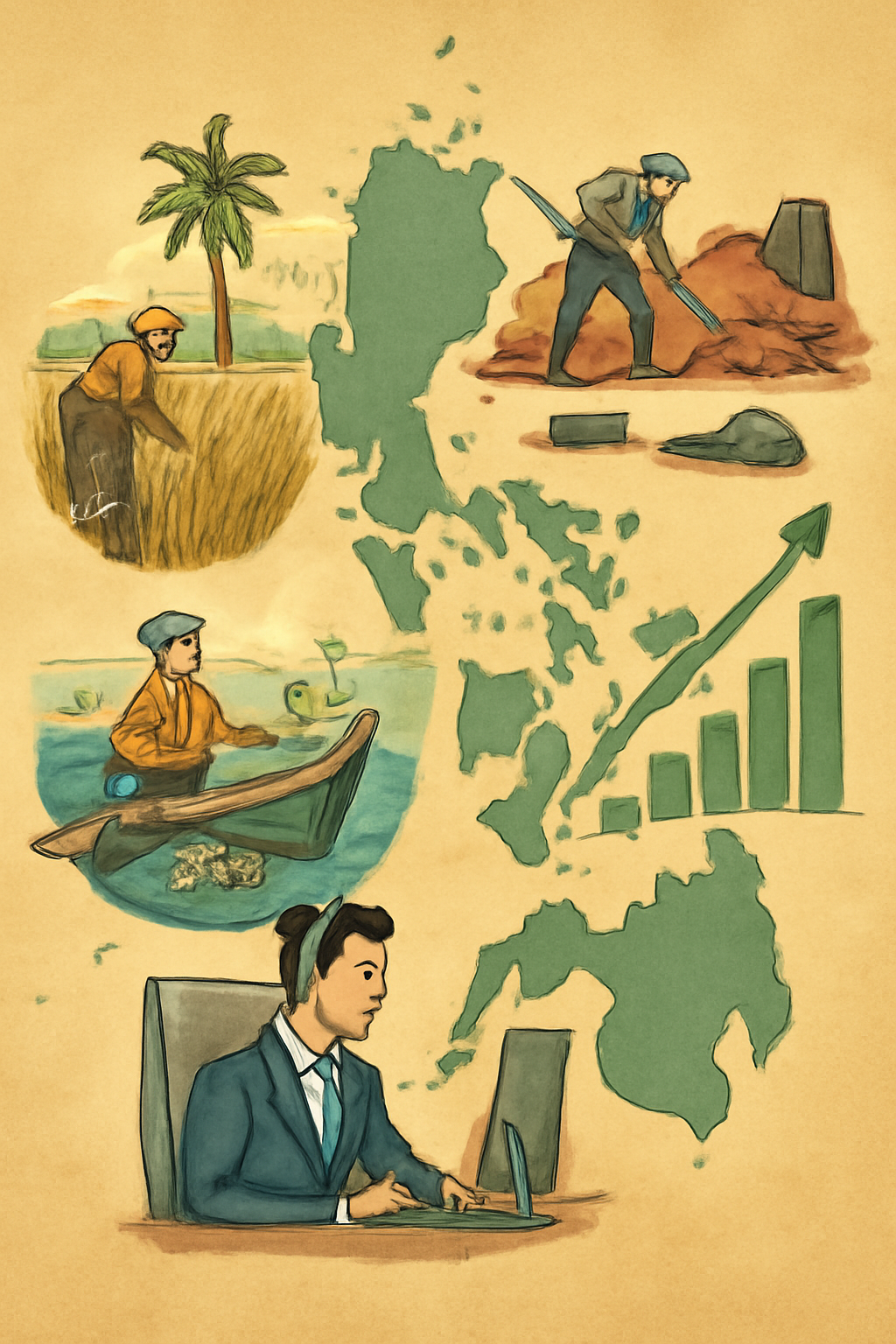
The Philippines, an archipelagic country located in Southeast Asia, is rich in natural resources that play a pivotal role in driving its economic growth. Over the years, the country’s natural wealth—ranging from minerals and agriculture to marine and forest resources—has significantly contributed to the national economy. However, balancing economic growth with environmental conservation remains a major challenge for the country.
The Philippines is endowed with abundant mineral resources, including gold, copper, nickel, and silver. Mining has long been an important economic activity, with the sector contributing significantly to export revenues. The country is one of the largest producers of nickel globally, and demand for this metal continues to rise due to its importance in the production of batteries, particularly for electric vehicles. However, mining operations often face environmental challenges such as deforestation and water pollution, which can harm local ecosystems and communities. The Philippine government has taken steps to regulate mining practices, although enforcement remains an ongoing issue.
Agriculture is another critical sector that benefits from the country’s natural resources. The Philippines is a major producer of coconut oil, which is exported worldwide. Additionally, rice, corn, and tropical fruits are cultivated in the country’s fertile soil, supporting both domestic food security and export markets. However, the agricultural sector faces significant challenges, including vulnerability to natural disasters, such as typhoons and droughts, which can devastate crops and livelihoods.
The Philippines’ rich fishing resources are another key economic asset. The country is surrounded by productive seas that provide abundant fish and seafood, which are important for both domestic consumption and export. Overfishing, however, has become a critical issue, with fish stocks declining in some regions. Marine conservation efforts are essential to ensuring the continued viability of the fishing industry.
Forests and timber resources also play an important role in the Philippine economy, though illegal logging and deforestation have led to concerns about the sustainability of these resources. The government has launched reforestation initiatives and pushed for more sustainable logging practices to mitigate these issues.
The natural resources of the Philippines have laid the foundation for its economic progress, but long-term sustainability requires careful resource management and policies that address environmental and social concerns. The Philippines must continue to innovate and pursue a balanced approach that promotes growth while preserving its natural heritage.