
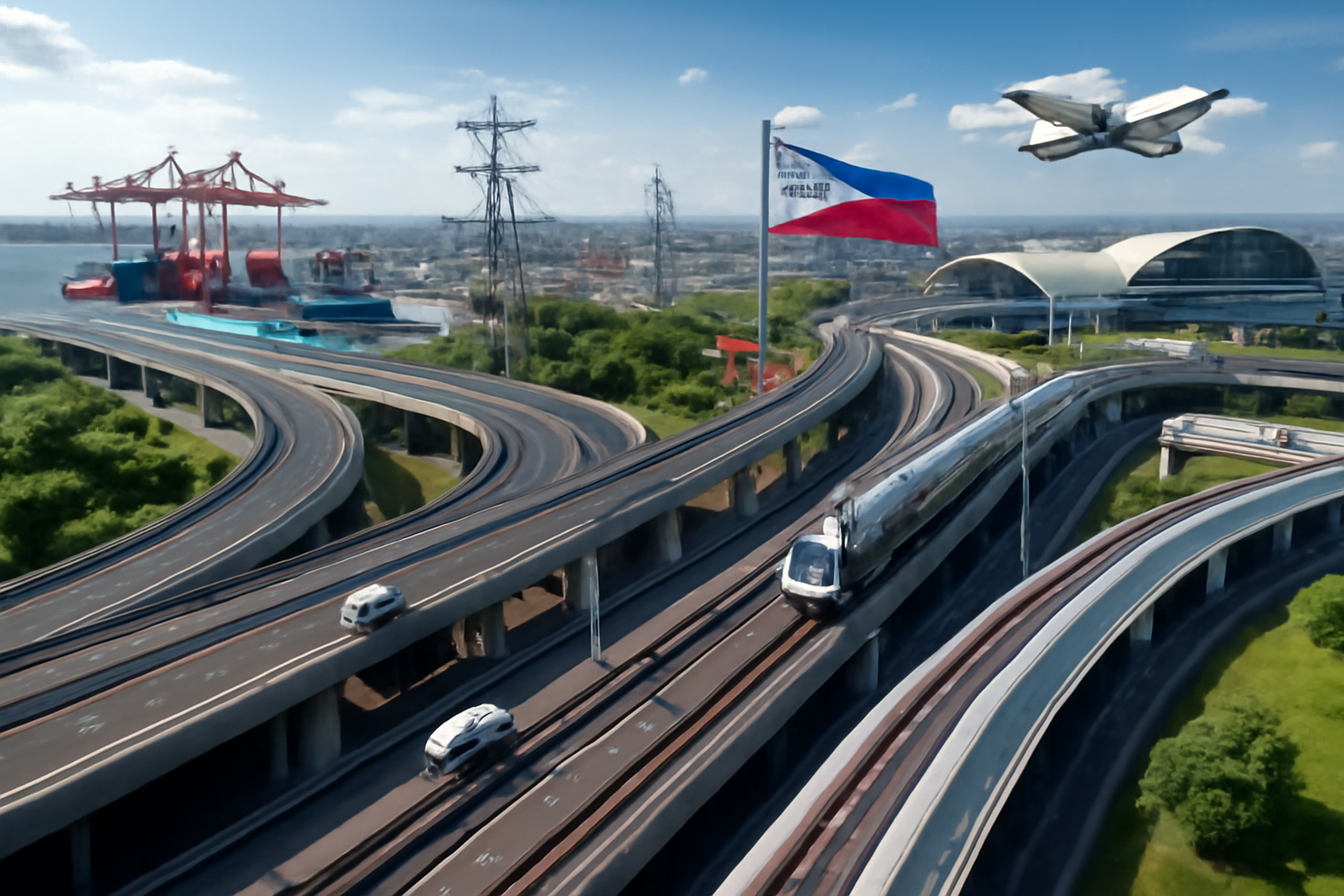
The Philippines, an archipelago of over 7,000 islands, faces unique geographical challenges when it comes to infrastructure development. To address these challenges and boost national growth, the Philippine government has embarked on an extensive program of infrastructure development aimed at improving connectivity and mobility. By enhancing roads, railways, airports, and seaports, the government is working to build a more integrated nation, promoting economic growth and improving the quality of life for its citizens.
A major element of these efforts is the improvement of the country’s road systems. Traffic congestion in urban centers like Metro Manila has long been a pressing issue, and the government has made significant investments in expanding and modernizing expressways and highways. For instance, the new Cavite-Laguna Expressway (CALAX) has reduced travel times between provinces, while the Metro Manila Skyway Stage 3 project has helped alleviate traffic between northern and southern Luzon.
The expansion of airports and seaports has also been a key part of the infrastructure agenda. The modernization of Ninoy Aquino International Airport (NAIA) is one example, aimed at increasing capacity and improving the overall travel experience. Additionally, airports in provinces such as Cebu and Davao have been upgraded, enabling better connectivity between regions and facilitating both tourism and business. The Philippines is also investing in its seaport infrastructure, enhancing key ports like those in Batangas, Cebu, and Davao to accommodate larger vessels and improve cargo flow.
Rail transportation is another priority for the Philippines. With Metro Manila’s traffic congestion reaching critical levels, the government has turned to rail development as a solution. The Metro Manila Subway, currently under construction, promises to reduce commute times significantly and provide a more efficient and sustainable form of transportation for the capital region. In addition, the North-South Commuter Railway will connect Metro Manila with nearby provinces, further improving regional mobility.
In addition to these transportation developments, the government is also focused on upgrading energy and digital infrastructure. A stable energy supply is crucial to ensuring the smooth operation of transportation systems, while better internet access will help bridge the digital divide between urban and rural areas. Expanding telecommunications networks, especially in underserved regions, is a critical step toward ensuring that the entire population benefits from the country’s infrastructure improvements.
Despite the positive developments, challenges remain. Traffic congestion is still prevalent, particularly in Metro Manila, and the country’s vulnerability to natural disasters poses a constant risk to infrastructure projects. The government will need to continue balancing rapid development with the need for resilience and sustainability to ensure that these infrastructure investments have lasting impacts.
With continued focus on infrastructure development, the Philippines is poised to significantly improve its connectivity and mobility, fostering a more dynamic economy and a higher standard of living for its people. These efforts will also help position the country as a more competitive player on the global stage, as better transportation and communication networks open new avenues for trade, tourism, and innovation.