
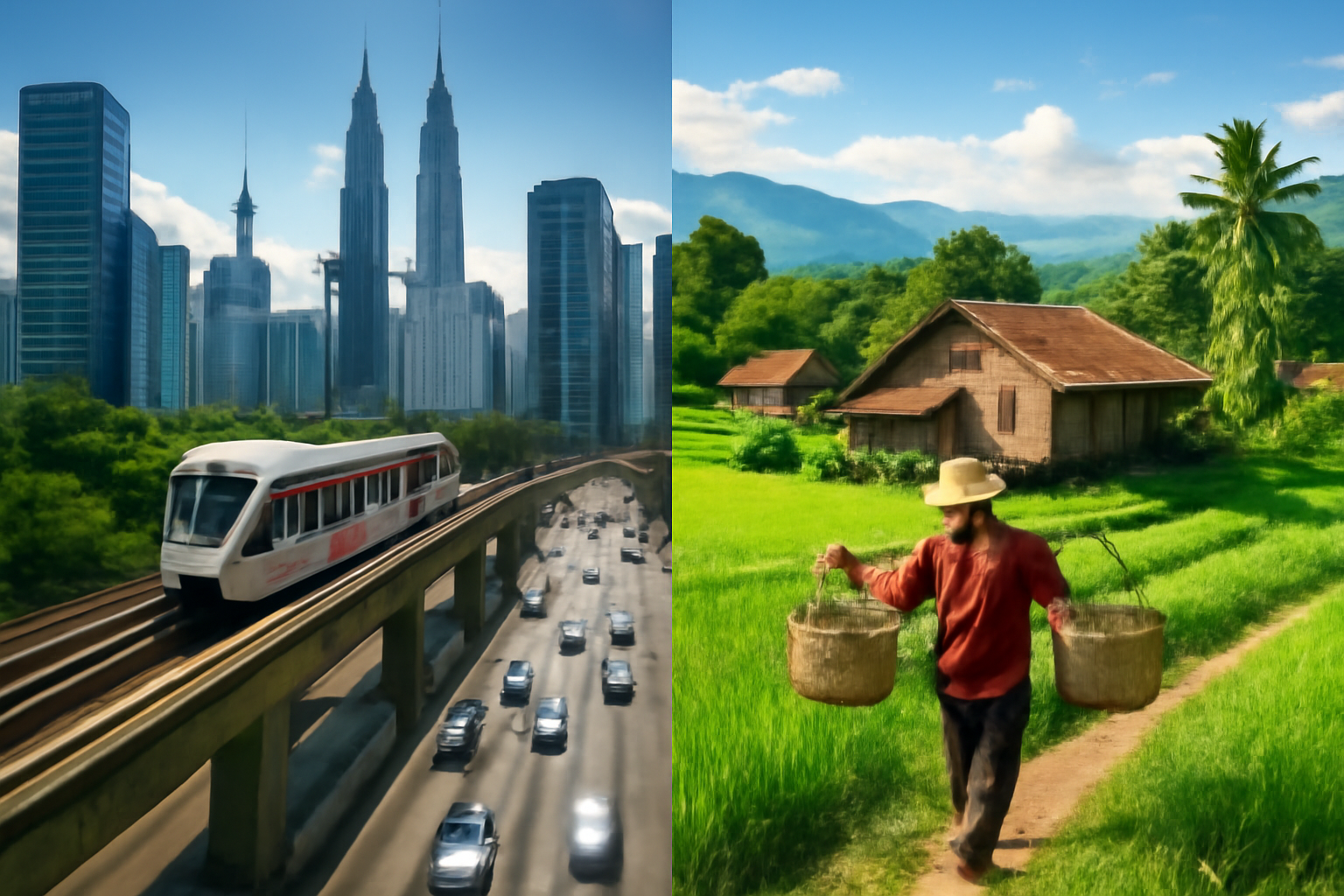
Life in Malaysia offers a broad spectrum of experiences, from the fast-paced, bustling city lifestyle to the calm, serene atmosphere of rural living. Each way of life comes with its own set of unique advantages, challenges, and opportunities, which cater to different lifestyles, preferences, and career aspirations.
Life in the Cities
The cities in Malaysia, especially Kuala Lumpur, Johor Bahru, and Penang, represent modernity and convenience. These urban centers are teeming with opportunities in diverse sectors such as finance, technology, education, and healthcare. Urban living offers residents high standards of infrastructure, including well-developed public transportation systems, high-speed internet, and modern amenities. Shopping malls, restaurants, entertainment venues, and a vibrant cultural scene make city living appealing to many.
However, urban areas in Malaysia come with their share of drawbacks. One of the most significant challenges is the high cost of living, particularly in major cities like Kuala Lumpur. Property prices are steep, and the cost of everyday goods and services can be considerably higher than in rural areas. Additionally, the crowded urban environment can lead to long commutes, traffic congestion, and air pollution, making city life stressful for some. The fast-paced nature of the city can also create a sense of social disconnection, as people often prioritize work over community involvement.
Rural Life in Malaysia
In contrast, rural life in Malaysia is much quieter and closer to nature. Villages in states like Perak, Kedah, and Pahang offer a slower pace of life, with a strong emphasis on community and family. Many rural residents are engaged in agriculture, fishing, or small-scale industries that support the local economy. The natural surroundings in rural areas offer a serene environment that is ideal for those seeking peace and simplicity.
However, rural areas are not without their challenges. While the cost of living is significantly lower than in cities, rural residents often face limited access to essential services. Education and healthcare facilities are generally not as advanced, and in some cases, residents may need to travel great distances to access these services. Employment opportunities in rural areas are primarily tied to agriculture or local small businesses, with fewer career advancement prospects than in the cities.
The Struggles of Urban and Rural Living
For urban dwellers, the main struggles include the high cost of living and the crowded, stressful environment. Property prices in cities are particularly prohibitive for younger Malaysians, while the cost of daily necessities, such as food and transportation, continues to rise. Commuting can be time-consuming and tiring, particularly with the heavy traffic jams that plague major cities like Kuala Lumpur. Noise and air pollution also pose serious health risks for urban residents.
In contrast, rural areas may face issues related to limited infrastructure and fewer job opportunities. While the cost of living is lower, the lack of modern facilities, including reliable internet, healthcare services, and proper roads, can be a major inconvenience. Employment opportunities in rural areas are generally more limited, which can make it harder for young people to find suitable jobs without moving to larger cities. As a result, many rural youth migrate to urban areas in search of better career prospects.
Opportunities in Both Environments
Both urban and rural areas offer unique opportunities. Cities are ideal for those looking to advance their careers in high-paying industries, such as finance, technology, or healthcare. The fast-paced city life also encourages innovation and entrepreneurship, as urban areas tend to have better access to resources, networking, and capital. Additionally, the digital economy has made it easier for individuals to start their own online businesses or freelance in various fields.
In rural areas, opportunities are growing in sectors like agriculture, organic farming, and ecotourism. Malaysia’s rural regions are increasingly attracting tourists who seek an authentic, nature-based experience, creating opportunities for rural communities to engage in sustainable tourism. Government initiatives aimed at rural development have also opened doors for rural entrepreneurs to access new technologies, improve infrastructure, and build stronger connections to urban markets.
Both urban and rural areas in Malaysia offer distinct experiences that cater to different lifestyles and aspirations. Understanding the differences, challenges, and opportunities in each setting allows individuals to make informed decisions about where to live and how to thrive in either environment.