
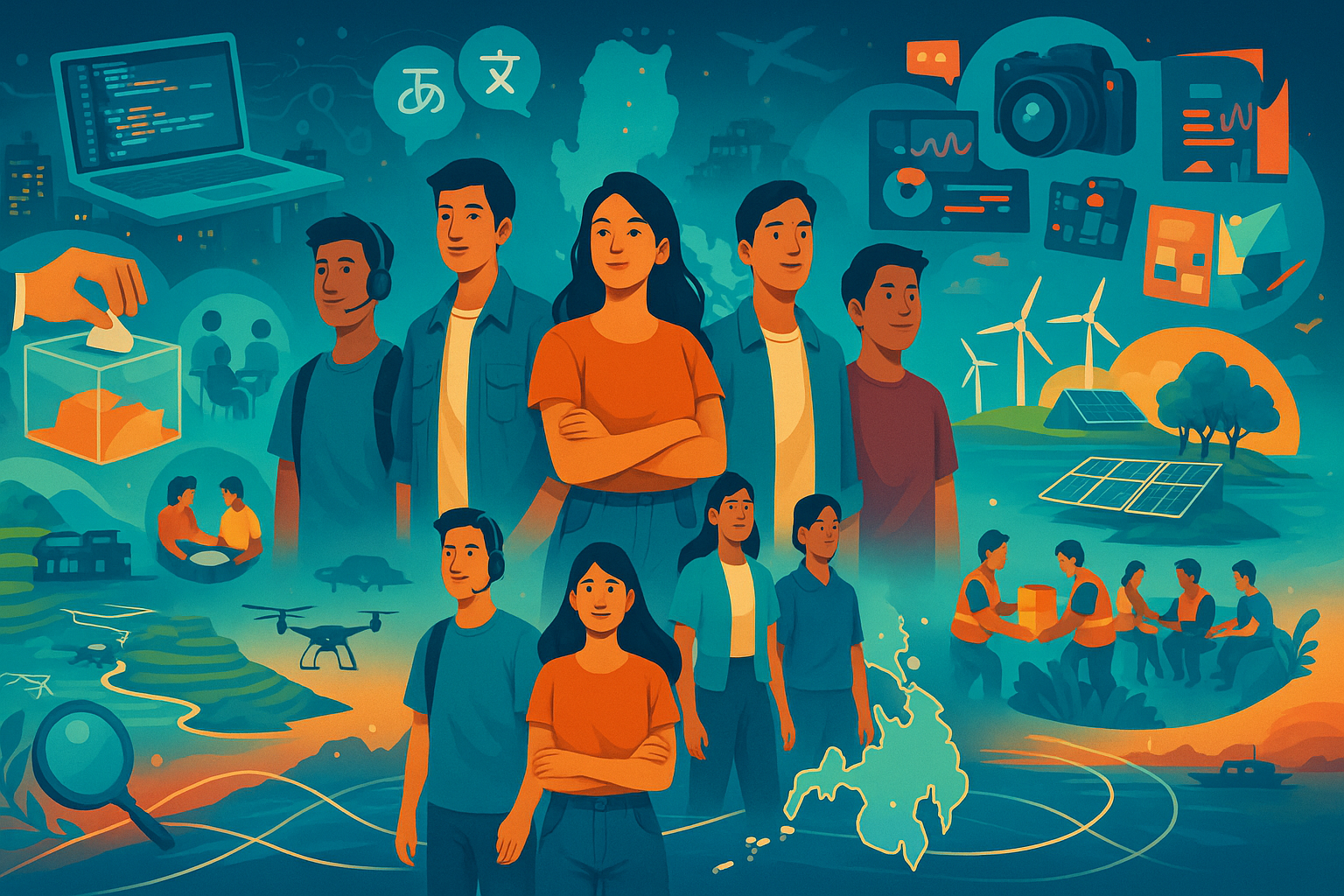
The young in the Philippines grow up bilingual or trilingual, code-switching among English, Filipino, and regional languages. This linguistic agility acts as a passport in a global culture saturated by streaming, gaming, K-pop, and creator platforms. The same feeds also transmit norms about beauty, success, and politics, shaping identity in ways both empowering and pressuring. Filipino youth learn to curate selves for different contexts: the family dinner table, the classroom, the group chat, and the global timeline.
Cultural pride remains strong—fiestas, indigenous crafts, folk songs, and regional cuisines anchor belonging. The challenge is not choosing between tradition and global trends but integrating them. Young artists remix kulintang rhythms with electronic beats; student filmmakers tell local stories with world-class craft; campus organizations celebrate indigenous knowledge alongside climate science. Schools and cultural agencies can support this synthesis through grants, competitions, and residencies that pair master artisans with youth.
Globalization also multiplies viewpoints about gender, faith, and rights. Young Filipinos navigate these debates with nuance, balancing respect for elders with a desire for inclusive communities. Productive dialogue emerges when spaces are moderated with care, and when participants share facts, personal stories, and ground rules. Debate societies, interfaith councils, and service projects foster solidarity across difference—learning to disagree without dehumanizing.
Digital platforms unlock opportunity but demand literate participation. Algorithmic feeds reward engagement, not accuracy. Youth need tools to spot rhetorical manipulation, recognize deepfakes, and understand how data is harvested. Practicing digital hygiene—privacy settings, two-factor authentication, and consent awareness—should be as routine as learning to drive. Schools can normalize these habits through project-based learning: students producing verified explainers, cataloging local histories, or building community archives.
Representation matters. Seeing Filipinos excel in sports, arts, tech, and diplomacy feeds ambition and widens the imagined future. Exchange programs and international competitions help youth test their skills against global peers. Support also needs to be local: municipal cultural centers, indie cinemas, and makerspaces provide platforms for practice and iteration. Scholarships that require recipients to mentor younger students create virtuous cycles of knowledge transfer.
Resilience is a cultural trait, but it should not be romanticized as the answer to systemic problems. Fair algorithms, safe schools, equitable funding, and accessible health care are institutional responsibilities. When systems function, youth energy multiplies impact rather than compensating for gaps. In this balance between personal agency and structural support, Filipino youth can craft identities that are grounded, plural, and globally conversant—rooted enough to stand firm, flexible enough to reach far.