
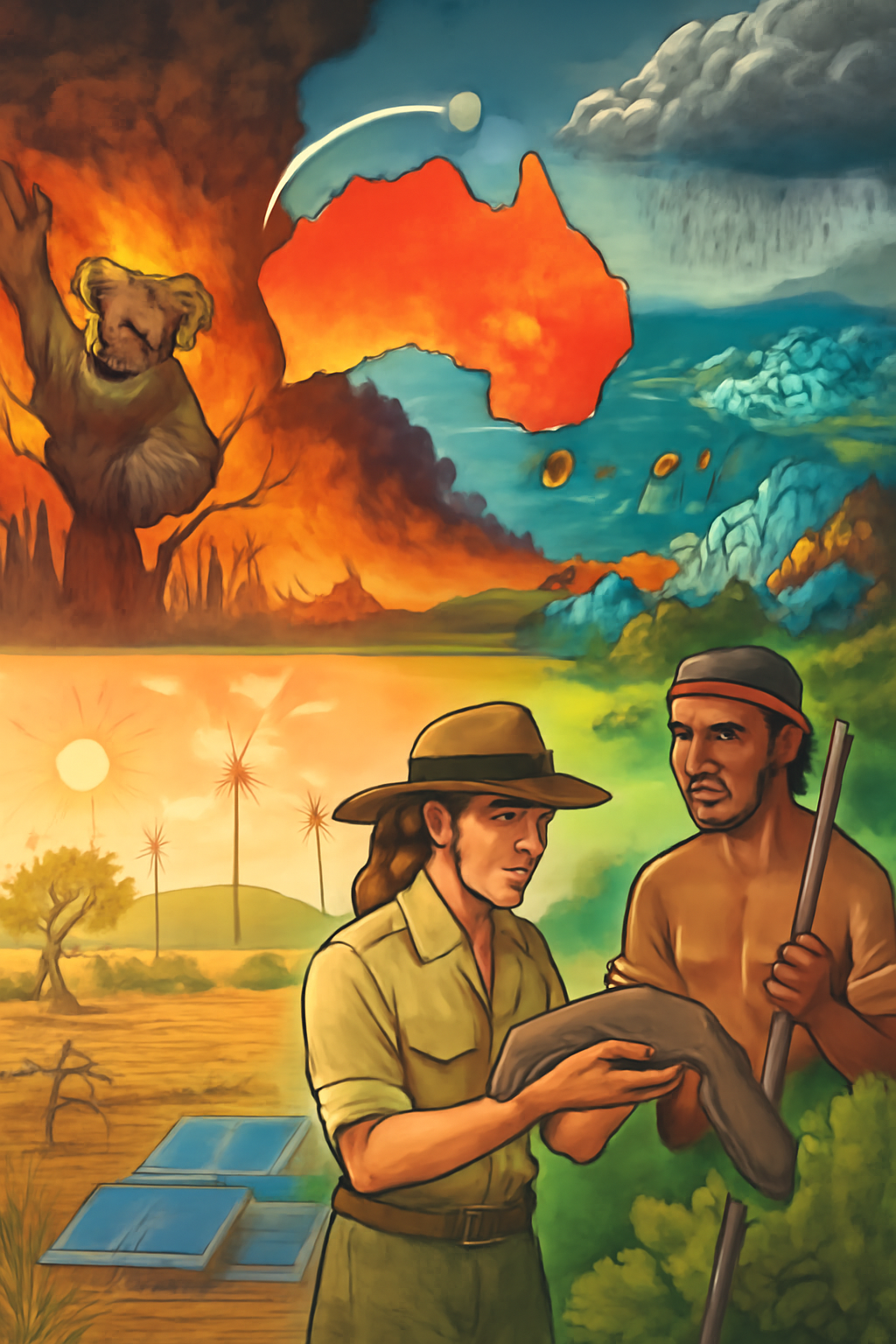
Australia, with its unique and diverse landscapes, faces increasingly dire environmental challenges, many of which stem from the ongoing impacts of climate change. Over the past few decades, the country has seen significant shifts in its weather patterns, biodiversity, and natural resources. From catastrophic bushfires to water scarcity and the bleaching of coral reefs, the effects of climate change are becoming more apparent. Addressing these issues through effective conservation efforts is essential to securing a sustainable future for Australia’s environment.
The most visible and immediate consequence of climate change in Australia is the occurrence of extreme weather events. Bushfires, which are a natural feature of the Australian landscape, have grown more frequent and intense in recent years. The 2019-2020 bushfire season, known as “Black Summer,” serves as a stark reminder of the devastating power of climate change. These fires destroyed millions of hectares of forest, displaced communities, and resulted in the loss of countless lives, both human and animal. Prolonged droughts and higher temperatures have contributed to the spread of these fires, exacerbating their impact.
Drought is another major challenge that Australia faces due to climate change. Many regions are experiencing a decrease in rainfall, leading to severe water shortages that affect not only agricultural practices but also urban water supplies. Australia’s agricultural industry, which plays a vital role in the nation’s economy, is particularly vulnerable to these changes. As water resources become scarcer, farmers face increasingly difficult conditions for crop cultivation and livestock farming. Additionally, rising temperatures are causing soil salinity, further reducing agricultural productivity.
The Great Barrier Reef, one of Australia’s most iconic and globally significant natural wonders, is also at risk. Coral bleaching, caused by rising sea temperatures, has caused widespread damage to the reef, leaving it more vulnerable to further degradation. The loss of coral reefs has far-reaching consequences, affecting marine biodiversity and the livelihood of communities that depend on the reef for tourism and fishing.
In response to these environmental challenges, Australia has implemented a number of strategies aimed at mitigating the effects of climate change and protecting its natural resources. The country has made significant strides in adopting renewable energy sources such as wind and solar power, with an increasing percentage of its energy consumption coming from sustainable sources. Additionally, Australia is committed to international agreements like the Paris Agreement, which aims to limit global temperature rise and reduce greenhouse gas emissions.
Conservation efforts in Australia are also focused on protecting endangered species and preserving ecosystems that are under threat from human activities and climate change. National parks and protected areas have been established to safeguard key habitats, while restoration projects are working to rehabilitate damaged environments. These efforts are crucial to maintaining Australia’s rich biodiversity and ensuring that future generations can experience the country’s natural beauty.
Incorporating Indigenous knowledge into conservation practices is another important step forward. Indigenous Australians have long used fire management techniques, such as controlled burns, to reduce the intensity of bushfires and maintain healthy ecosystems. These traditional practices are being integrated into modern conservation strategies, demonstrating the value of Indigenous knowledge in land management.
Australia is also exploring policies to reduce emissions from various sectors, including agriculture, transportation, and industry. Carbon pricing and emissions trading systems are being considered as ways to encourage businesses to reduce their carbon footprint, while government incentives are promoting the adoption of sustainable practices across industries.
As Australia continues to grapple with the challenges of climate change, the importance of a coordinated and sustained response cannot be overstated. Only through continued innovation, policy development, and public engagement can Australia hope to protect its environment and build a more sustainable future.