
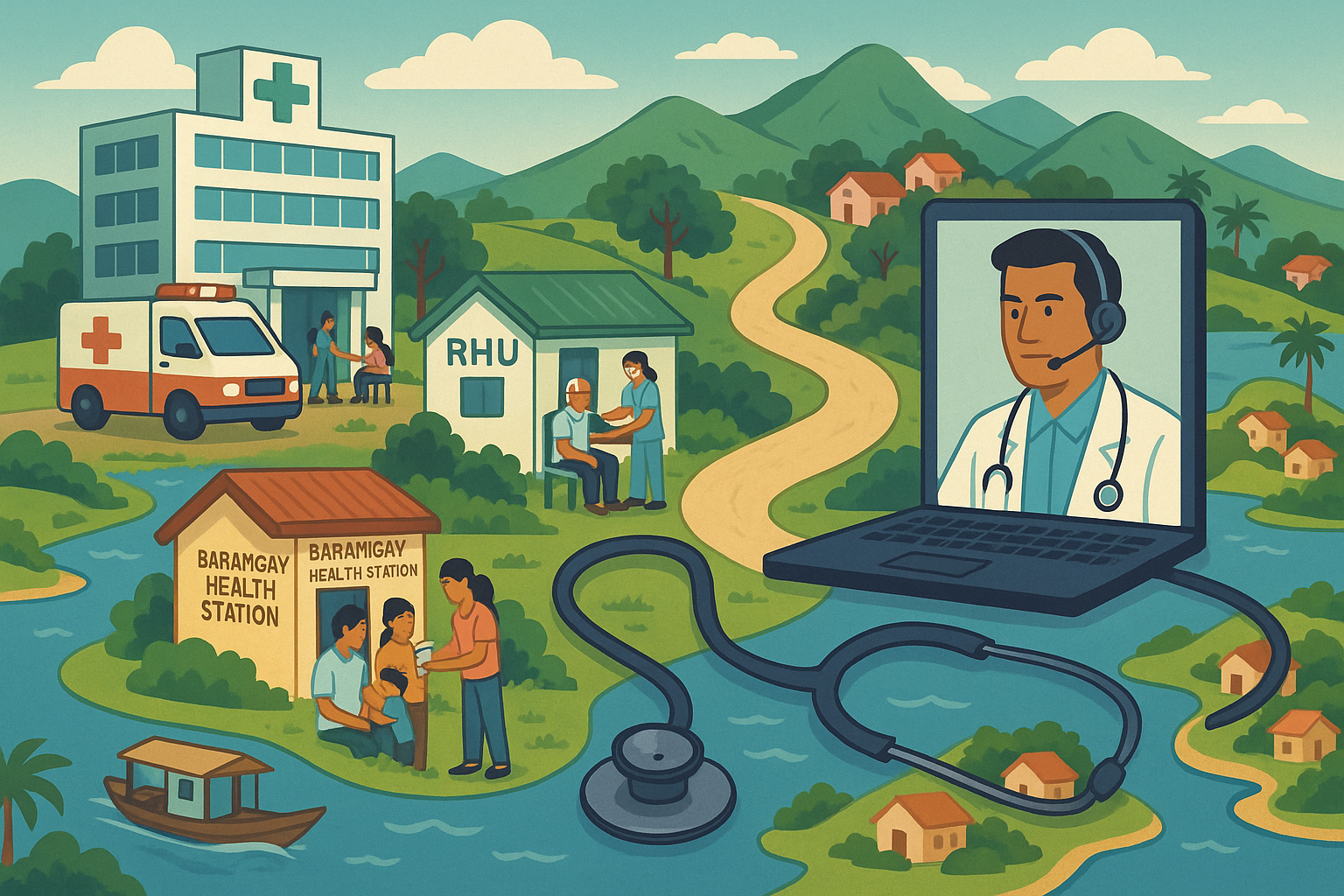
The Philippine health landscape is shaped by two powerful forces: decentralization and the drive for universal coverage. The Local Government Code gave provinces, cities, and municipalities primary responsibility for many health services. This improved responsiveness but produced wide variation in facility quality, staffing, and budgets. The UHC Act seeks to knit these pieces together by forming province- and city-wide health systems, pooling funds into Special Health Funds, and standardizing referral pathways.
At the financing core is PhilHealth, which provides case-based payments and primary care benefits. Expanded eligibility has increased nominal coverage, yet effective financial protection hinges on benefit depth and timely reimbursements. When rates lag behind actual costs, providers resort to balance billing or patients face informal fees. Aligning PhilHealth payment methods—blended capitation for primary care, diagnosis-related payments for hospitals—with quality metrics can drive better outcomes and reduce unnecessary admissions.
Revenue generation draws on general taxation, earmarked “sin taxes,” and member contributions. Earmarked taxes on tobacco and alcohol have bolstered health budgets and deterred harmful use, a dual win. The challenge is predictable, performance-linked allocation to frontlines. Local governments vary in fiscal capacity; without equalization mechanisms, affluent cities sprint ahead while remote municipalities tread water. The UHC framework’s pooled purchasing aims to smooth these disparities by buying services for defined populations with shared accountability.
Governance capacity determines whether money buys results. Clear service entitlements, facility licensing, and clinical guidelines must be coupled with enforcement and supportive supervision. Data is the other pillar: reliable health information systems enable risk adjustment, detect stockouts, monitor outcomes, and expose fraud. Interoperability—so a patient’s record follows them from barangay to tertiary hospital—prevents duplication and improves continuity.
Medicines and supplies are ripe for reform. Fragmented procurement drives price variation and stockouts. Centralized or framework contracts, competitive bidding with quality assurance, and demand forecasting can lower prices while ensuring steady availability. Transparent dashboards showing stock levels and prices build trust and invite civic oversight.
Equity requires targeted investments. Indigenous communities, informal workers, and residents of geographically isolated and disadvantaged areas often experience delayed diagnosis and higher mortality. Outreach clinics, transport vouchers, and culturally sensitive services can narrow these gaps. Performance-based grants to local governments, tied to priority indicators—immunization coverage, hypertension control, maternal emergency referrals—align incentives with population health.
Partnerships matter. The private sector’s diagnostic and specialty capacity can reduce waiting times, but contracting should include price caps, outcome reporting, and grievance channels. Civil society organizations and professional associations strengthen accountability, disseminate guidelines, and support community health literacy.
With coherent financing and governance, the system can move from episodic, hospital-centric care to proactive, team-based primary care that manages risk factors before they escalate. The architecture exists; the task is disciplined implementation, transparent monitoring, and steady investment in the basics that make policy real at the point of care.