
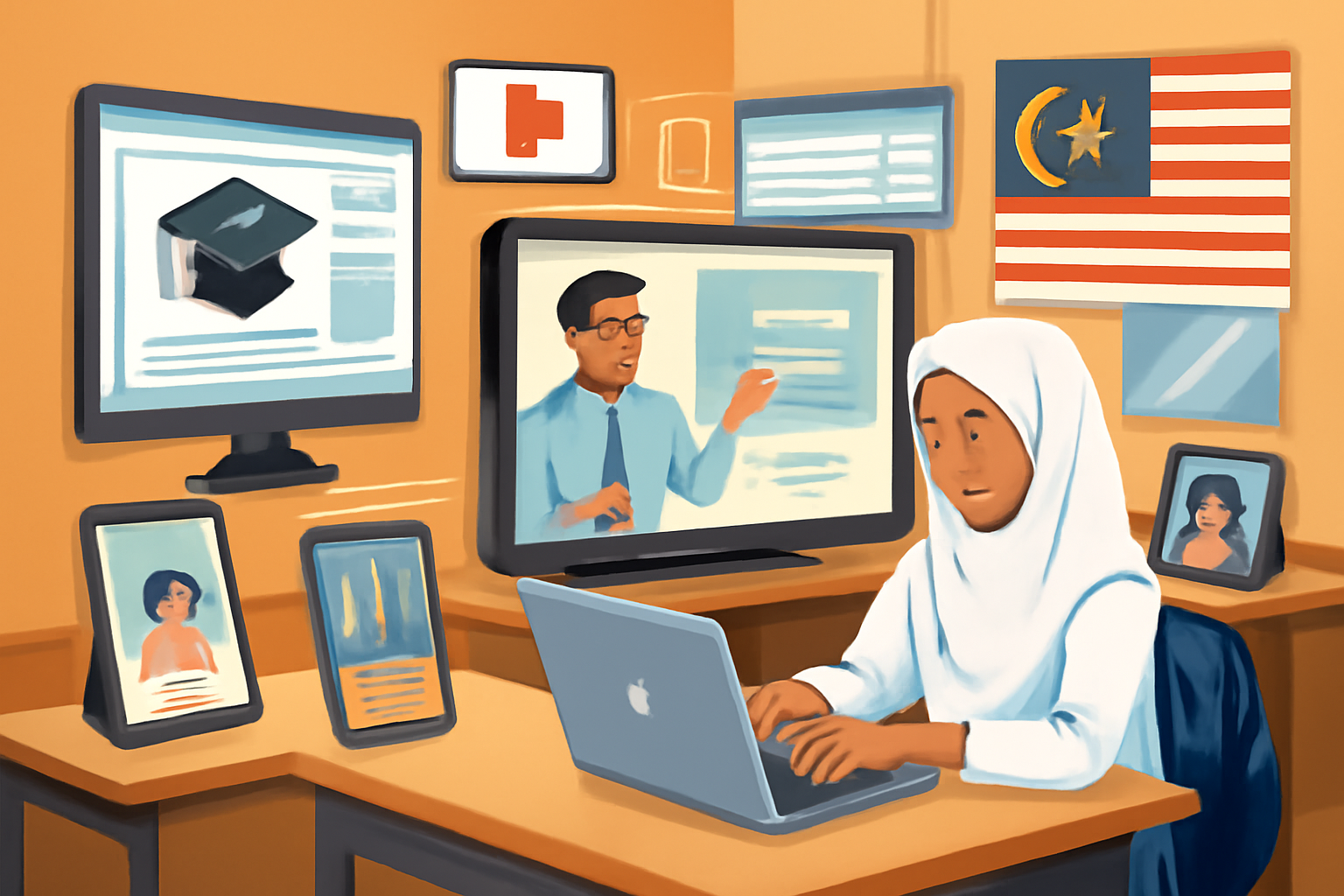
The introduction of digital technologies into education has had a profound effect on the learning environment in Malaysia, transforming both the delivery and accessibility of education. In recent years, the Malaysian government has focused on integrating technology into schools, with the goal of improving the quality of education and ensuring that students are equipped with the skills they need to succeed in an increasingly digital world. This article explores the various ways in which technology is reshaping education in Malaysia, from digital classrooms to personalized learning experiences.
The rapid advancement of technology has led to significant changes in how teaching and learning are conducted in Malaysian schools. Traditional teaching methods that relied heavily on textbooks and rote memorization are being replaced by more interactive and engaging forms of instruction. With the help of digital tools like interactive whiteboards, virtual learning environments, and educational apps, teachers can deliver lessons in a more dynamic way, engaging students through multimedia content, real-time quizzes, and interactive discussions.
Moreover, the use of digital platforms has allowed for greater flexibility in how students learn. E-learning platforms like Google Classroom, Zoom, and Microsoft Teams enable students to access their lessons, assignments, and assessments at any time, from anywhere. This flexibility has proven to be especially beneficial during the COVID-19 pandemic, when schools were forced to switch to online learning. The digital shift has not only allowed education to continue during times of crisis but has also highlighted the potential of online learning to supplement traditional classroom instruction.
Technology has also played a key role in improving accessibility to education, particularly in rural and underserved areas. Initiatives like 1BestariNet have helped bridge the digital divide by providing schools in remote locations with internet connectivity and digital resources. As a result, students in rural Malaysia can now participate in online learning, access educational content, and collaborate with peers from different regions. This increased access to digital resources is helping to level the playing field, ensuring that students from all backgrounds have the opportunity to succeed.
In addition to improving access and flexibility, technology has enabled more personalized learning experiences. Adaptive learning platforms, which adjust the difficulty and pace of lessons based on a student’s progress, are being used to cater to individual learning needs. These platforms help students who may be struggling with certain concepts while offering more challenging material to those who are excelling. By tailoring the learning experience to each student’s abilities, technology helps ensure that all learners receive the support they need to thrive.
The incorporation of technology into education also encourages the development of critical 21st-century skills. Students are increasingly using digital tools to collaborate on projects, communicate with peers, and create digital content. These skills, including digital literacy, problem-solving, and creativity, are essential for success in today’s rapidly changing job market. By fostering these skills in students, Malaysia is preparing its future workforce to compete in the global economy.
Despite the numerous benefits, the integration of technology into education in Malaysia does come with some challenges. Chief among these is the digital divide, which remains an issue for students in rural areas who may lack access to reliable internet and devices. To address this, the Malaysian government has invested in providing affordable devices and expanding internet infrastructure, but more work is needed to ensure equitable access for all students.
In conclusion, digital innovation has had a significant impact on education in Malaysia, enhancing teaching, learning, and accessibility. While challenges remain, the continued integration of technology in the classroom promises to create more inclusive and engaging learning environments for all students. By embracing these technological advancements, Malaysia is paving the way for a brighter and more equitable future in education.