
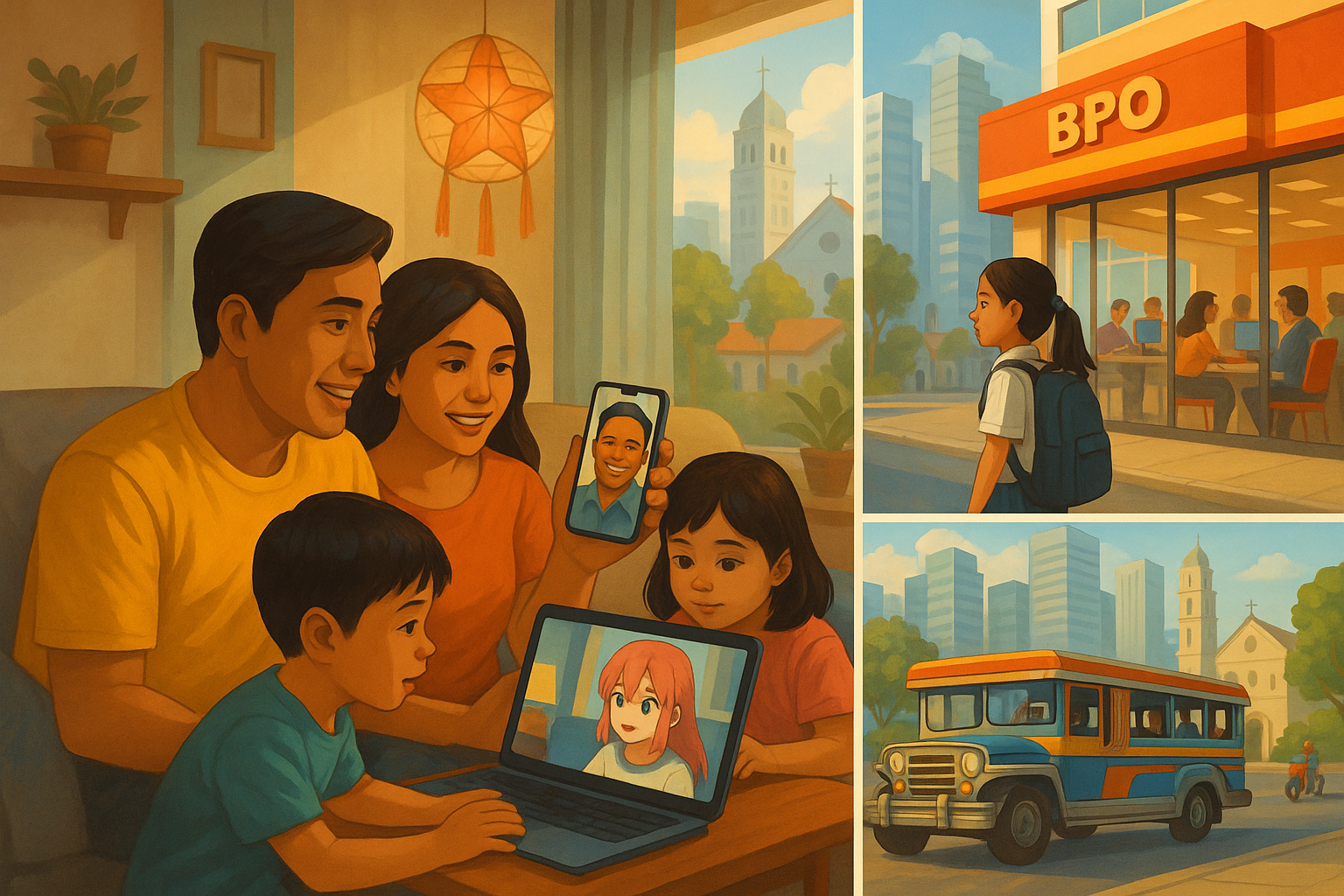
For many young people in the Philippines, globalization is inseparable from technology. Smartphones, social media platforms, and online games connect Filipino youth to peers worldwide. A student in Davao can follow the same fashion trends as someone in Seoul or Los Angeles, watch the same videos, and comment on the same posts. This digital connectivity shapes how they view themselves, their country, and their place in the world. It also transforms how they learn, socialize, and participate in public conversations.
In schools and universities, global influences are evident in both content and method. Educational institutions promote English proficiency, critical thinking, and digital skills to prepare students for a competitive global job market. Online resources, international scholarship opportunities, and exchange programs further expose students to worldwide perspectives. At the same time, teachers must balance this global outlook with local history, culture, and social issues. Lessons increasingly encourage students to think globally while remaining aware of local realities such as poverty, environmental risks, and political challenges.
Social media plays a central role in daily life for Filipino youth. Platforms like Facebook, TikTok, Instagram, and X (Twitter) function as spaces for self-expression, friendship, and activism. Young Filipinos use them to share memes, follow global celebrities, and support social causes, from climate action to mental health awareness. These platforms allow them to participate in global movements and conversations even from remote areas. However, they also expose users to misinformation, cyberbullying, and unrealistic standards of beauty and success, which can affect mental well-being.
Globalization also influences lifestyle and consumption among the younger generation. International streetwear brands, skincare products, and gadgets are highly desired, often associated with modernity and status. Food choices reflect global trends, with Korean barbecue, milk tea, and Western-style fast food becoming everyday treats. These preferences can put financial pressure on students and young workers who want to keep up with the latest trends. At the same time, some youth respond by promoting local products and sustainable living, using social media to support Filipino-made goods and eco-conscious practices.
Career aspirations among Filipino youth are changing as well. Instead of only seeking traditional professions like teaching or government work, many now dream of becoming software developers, digital marketers, content creators, or working for multinational companies. The gig economy and freelance platforms enable some to earn income from home, serving clients from other countries. While this flexibility offers opportunities, it can also mean job insecurity, lack of benefits, and pressure to constantly adapt to fast-changing global demands.
Despite the powerful pull of global culture, many young Filipinos remain deeply connected to their families and communities. They may spend their days immersed in online worlds but still participate in local fiestas, religious events, and family gatherings. Some use their global exposure to advocate for local issues, bringing international attention to disasters, human rights concerns, or cultural preservation. In this blend of digital and local life, globalization in the Philippines becomes a story of negotiation—where youth creatively mix global influences with Filipino values to shape a future that feels both modern and rooted.