
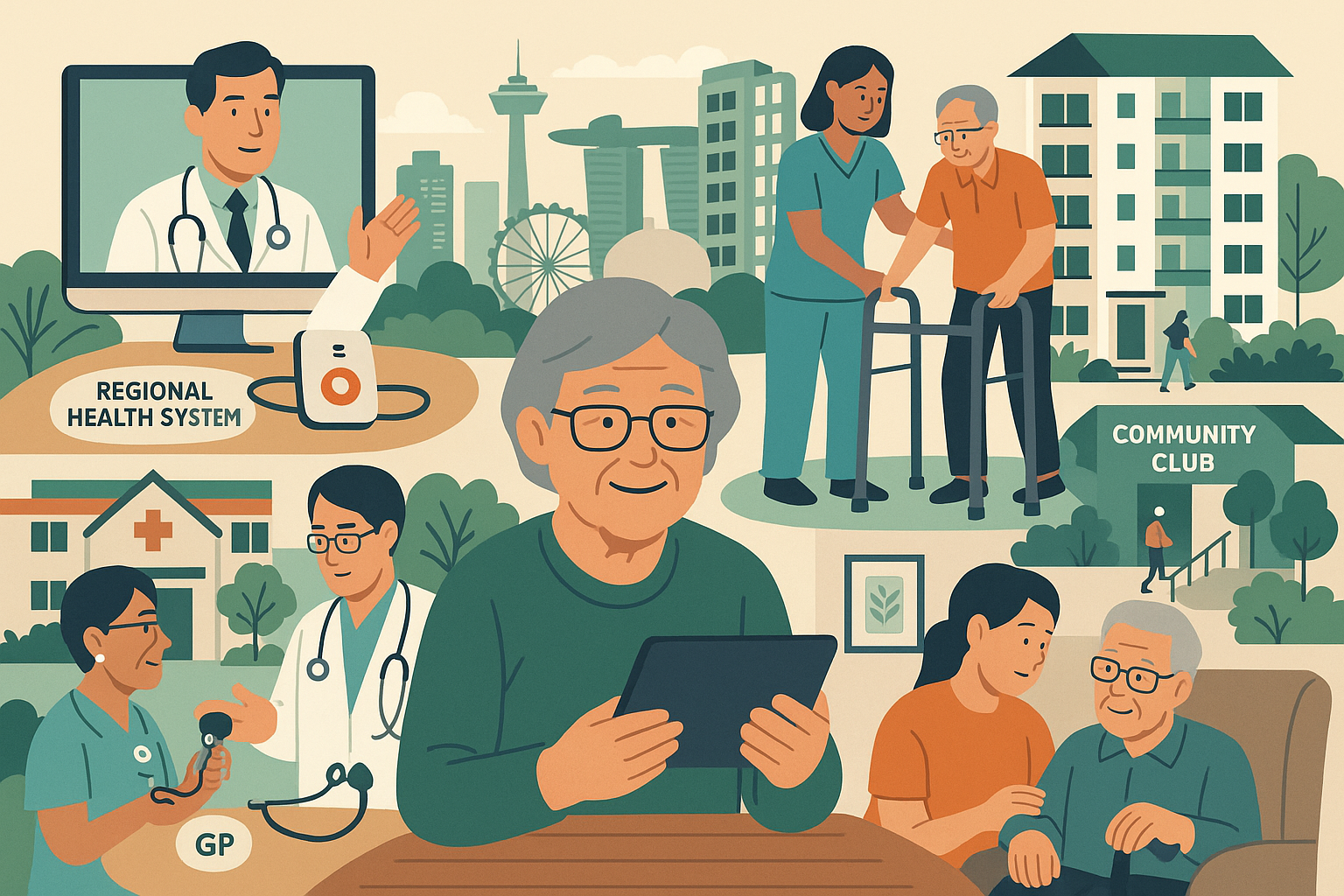
As Singapore’s population ages rapidly, health policy has had to evolve from treating acute episodes to managing long-term conditions and supporting independent living. The government recognises that older adults often face multiple chronic diseases, functional limitations, and social challenges. Consequently, many policies now focus on continuity of care, integration of services, and support for caregivers.
The shift towards integrated care is one of the most significant developments. Instead of viewing hospitals, primary care, and community services as separate entities, Singapore is building networks that link them closely. Regional health systems coordinate hospital discharge planning, follow-up appointments, and community support, ensuring that vulnerable seniors do not fall through the cracks. This coordinated approach aims to prevent unnecessary readmissions and maintain stability at home.
Financial support is tailored to older generations through schemes such as the Pioneer Generation and Merdeka Generation packages. These programmes provide additional subsidies on top of existing arrangements like MediShield Life and MediSave. Eligible seniors receive higher outpatient subsidies, top-ups to their MediSave accounts, and reduced premiums for health insurance. The goal is to lighten the financial load of frequent clinic visits, medications, and treatments that come with age.
To help seniors remain in their homes and communities, Singapore is expanding home and community-based care. Home nursing, home medical services, and day care centres allow older adults to receive professional help without staying in hospitals or institutions. Caregivers, often family members, can access training, respite care, and financial support, recognising the essential role they play. This model not only respects seniors’ preferences but also reduces demand for costly hospital beds.
Built environment and housing policies also play a role in maintaining health among older people. Public housing estates are being retrofitted with barrier-free access, ramps, and lifts that stop on every floor. Neighbourhoods are designed with nearby amenities, clinics, and community spaces to reduce isolation and promote activity. Seniors’ activity centres and community clubs run exercise classes, hobby groups, and social events that help combat loneliness and depression.
Chronic disease management is another cornerstone of policy for an ageing population. Primary care providers are equipped with guidelines, subsidies, and digital tools to manage conditions such as diabetes, hypertension, and high cholesterol. The Community Health Assist Scheme (CHAS) offers subsidies for visits to private general practitioners, making it easier for seniors to see a nearby family doctor. By keeping chronic diseases under control, Singapore aims to delay complications like stroke, heart failure, and kidney failure.
Technology is increasingly used to support independent living. Telehealth services allow doctors to review patients remotely, especially those with mobility issues. Sensors, emergency alert systems, and smart home devices help monitor seniors’ safety and health indicators. For caregivers, apps and online portals provide information, appointment management, and access to community resources. These innovations help stretch limited manpower while maintaining care quality.
Singapore’s response to population ageing illustrates how health policy can go beyond hospital walls. By blending financial support, integrated care, community services, and age-friendly urban design, the country strives to ensure that growing older does not automatically mean poorer health or institutionalisation. The emphasis is on helping seniors live longer, healthier, and more dignified lives in their own communities.