
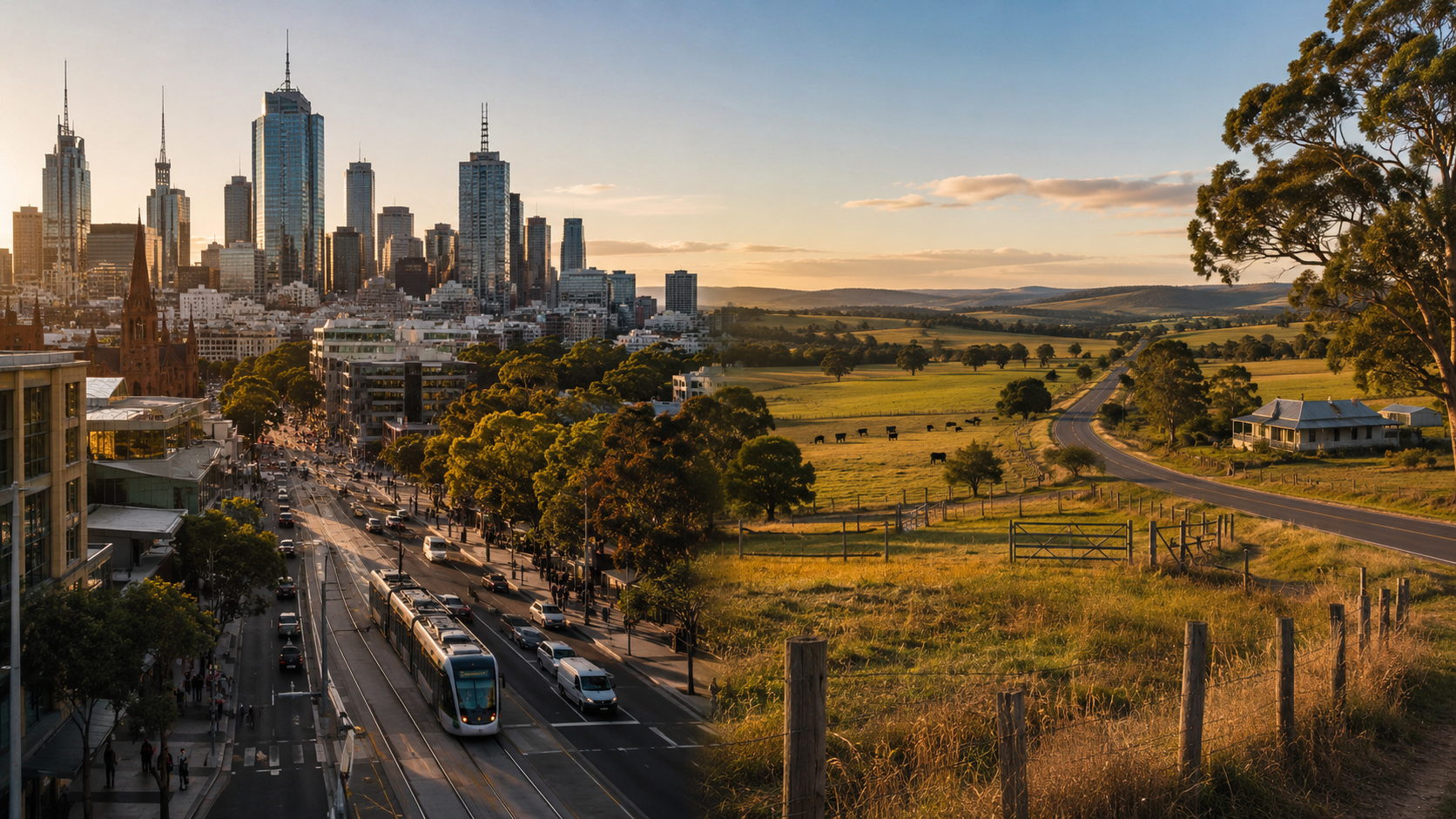
Australia is a country of large distances and varied lifestyles. While many Australians live in major coastal cities, a significant part of the national identity is also connected to rural towns, farming regions, mining communities, and remote landscapes. The contrast between city life and rural life is one of the most important social differences in Australia. It affects employment, housing, transport, relationships, education, healthcare, and the overall pace of daily living.
City life in Australia is often fast, organised, and opportunity-driven. Major capitals such as Sydney, Melbourne, Brisbane, Perth, and Adelaide function as economic and cultural centres. They provide many jobs across industries including business, education, healthcare, hospitality, technology, construction, government, and the arts. For people who want career advancement, higher education, or access to specialised services, cities often provide the best range of choices.
Urban environments are also highly multicultural. In many Australian cities, different cultures are visible through food, language, festivals, religious centres, neighbourhoods, and community organisations. This diversity enriches daily life and gives residents access to global experiences without leaving the country. A person can eat food from several continents, attend international film festivals, study at world-recognised institutions, and build friendships across cultures within the same city.
The convenience of cities, however, has a cost. Housing affordability is a major issue in many metropolitan areas. Rent and property prices can be high, especially near central business districts, beaches, universities, and train lines. Many residents accept smaller homes or longer commutes to manage expenses. Noise, pollution, traffic, competition, and busy schedules can also make urban life mentally tiring. City residents may have many options around them, but they often have less time and space to enjoy them.
Rural life offers a wider physical environment and a slower rhythm. In country towns and regional communities, people may have larger homes, bigger gardens, easier access to nature, and less crowded surroundings. The lifestyle may include outdoor work, local sport, community events, school gatherings, and regular contact with neighbours. For many people, rural living feels more personal because social networks are often built through repeated, face-to-face interaction.
The economy in rural Australia is closely linked to place. Farming, livestock, vineyards, mining, fishing, tourism, and regional services are important sources of work. These jobs can provide a strong sense of purpose and connection to the local environment. Rural residents often develop practical skills and resilience because they may need to manage distance, weather changes, limited services, and seasonal economic shifts.
Yet living outside the city can be difficult. A small town may not have a large hospital, university campus, frequent public transport, or many career options. People may need to travel several hours for medical appointments, specialised shopping, or higher education. Young adults may leave for cities, while older residents may face challenges accessing care. In some areas, drought, floods, bushfire risk, and economic uncertainty can place extra pressure on communities.
The boundary between city and rural living is becoming more flexible. Regional centres now attract people who want more affordable housing while still having access to schools, hospitals, cafés, and professional work. Remote work has also allowed some employees to move away from major cities without leaving their jobs. This shift shows that many Australians are looking for a balance between opportunity and lifestyle.
City and rural life in Australia each offer a different kind of richness. The city provides energy, ambition, diversity, and access. The countryside provides space, familiarity, natural beauty, and community strength. Choosing between them depends less on which place is better and more on what kind of life a person values most.