
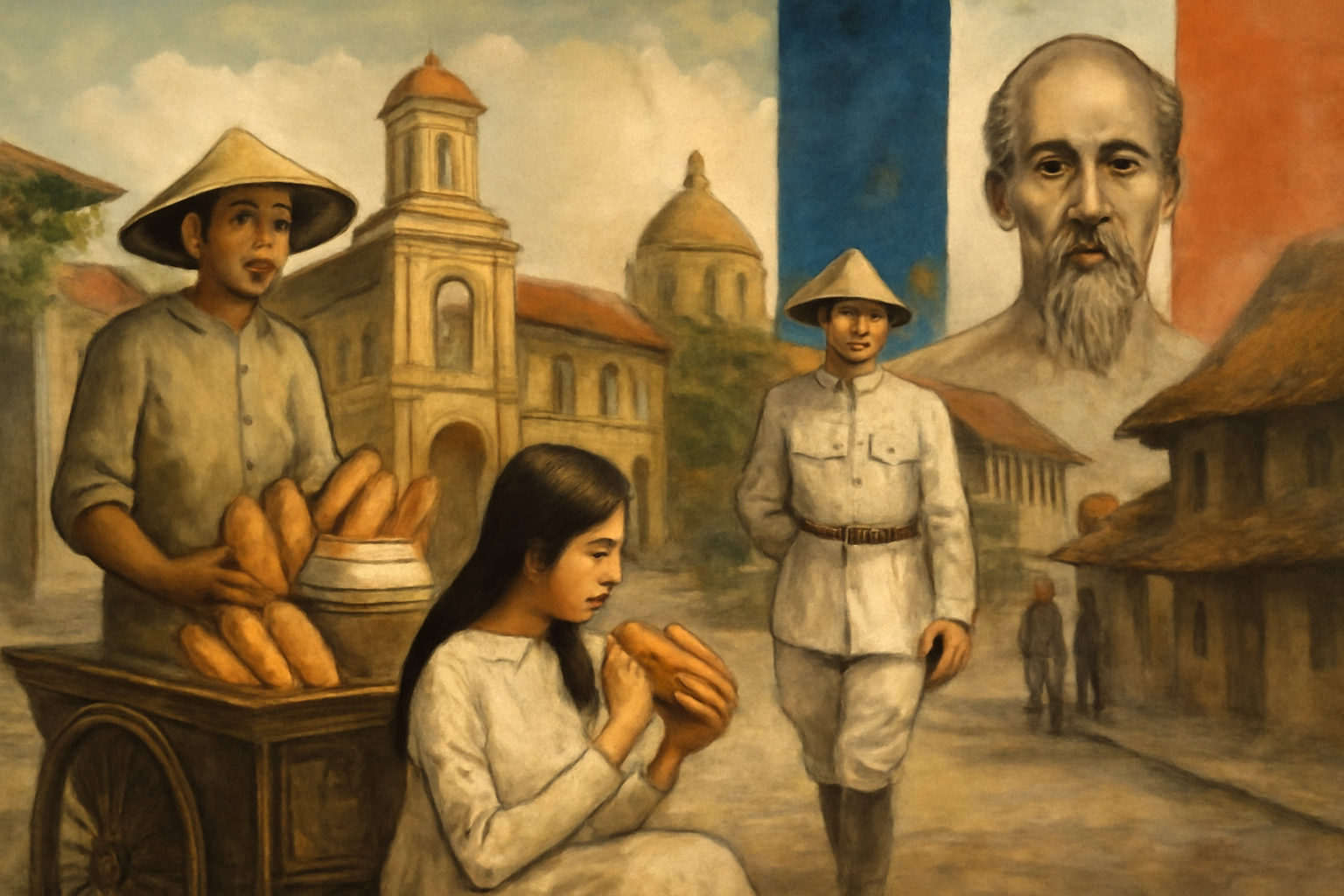
French colonialism in Vietnam, which lasted from the mid-19th century until the 1950s, had far-reaching effects on the country’s development, shaping its political structure, social systems, and cultural identity. The introduction of French political rule, infrastructure, and cultural elements left a complex and lasting legacy that continues to influence Vietnam today.
The French first established a foothold in Vietnam by colonizing the southern regions and expanding their control over the entire country by the late 1800s. The French set up a colonial government that imposed laws and policies aimed at extracting wealth from the region while consolidating their political and economic dominance. The French utilized Vietnam as a resource-rich colony, extracting rubber, rice, and minerals to fuel the French economy. Vietnam’s natural resources and labor force were exploited, leading to significant social and economic inequality.
The impact of French colonial rule on Vietnamese culture was far-reaching. French colonial architecture, characterized by large, stately buildings and broad boulevards, remains a defining feature of many Vietnamese cities. In places like Hanoi and Ho Chi Minh City, the evidence of French influence is visible in the urban landscape, where colonial-era structures coexist with traditional Vietnamese buildings.
In the realm of education, the French introduced their language and Western-style schooling systems, creating a class of Vietnamese elites who were educated in French institutions. French became the language of administration, education, and culture, and many educated Vietnamese could speak French fluently. As a result, French became an important part of Vietnamese identity for those in the intellectual and political elite, and French words still appear in the Vietnamese language today.
Culinary exchanges between France and Vietnam also had a lasting effect. The French introduced their culinary traditions, particularly bread and pastries, to Vietnam, and these influences are reflected in popular Vietnamese dishes. “Banh mi,” a sandwich made with a French baguette and local Vietnamese fillings, is one of the most well-known examples of this cultural fusion. Additionally, the French brought coffee to Vietnam, and the practice of brewing coffee with sweetened condensed milk became a staple of Vietnamese culture, with “cà phê sữa đá” becoming a favorite beverage.
Despite these cultural exchanges, French colonial rule was also marked by exploitation and resistance. The Vietnamese people suffered under French economic policies, and nationalist movements eventually led to the fight for independence. Leaders like Ho Chi Minh spearheaded the movement for Vietnamese independence, which culminated in the defeat of the French at Dien Bien Phu in 1954. The end of French rule marked the beginning of a new era in Vietnamese history.
The French legacy in Vietnam is multifaceted, shaped by both the cultural contributions of France and the negative aspects of colonial exploitation. Although the relationship between France and Vietnam was marked by oppression, the enduring influence of French culture can still be seen in many aspects of Vietnamese life today.