
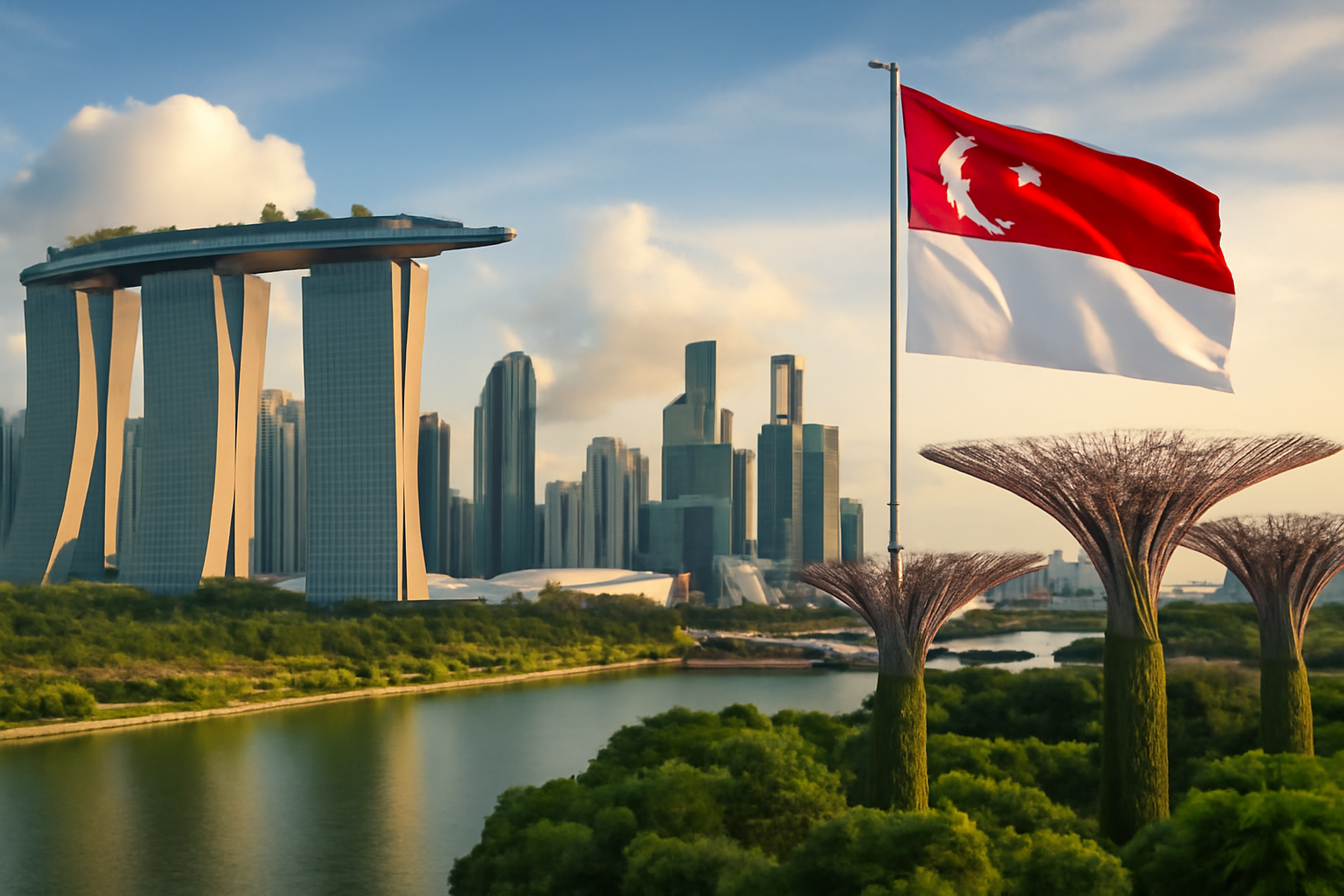
When it comes to global perceptions, few countries are as consistently praised for their development as Singapore. This city-state, which sits at the crossroads of Asia, has evolved from a small fishing village into one of the most prosperous and respected nations on the planet. Its meteoric rise has shaped how people around the world perceive it, with Singapore being admired for its economic achievements, governance, and social harmony.
At the heart of Singapore’s global image is its robust economy. The city-state boasts one of the highest standards of living in the world, with a GDP per capita that ranks among the top in global comparisons. Singapore is seen as an economic powerhouse, a testament to the country’s ability to harness its limited natural resources and transform them into one of the most dynamic economies in the world. Its financial services, trade, and manufacturing sectors have established the city-state as a key player in the global economy.
In addition to its economic strength, Singapore’s urban development has also contributed to its global reputation. Known for its modern infrastructure, cutting-edge architecture, and commitment to sustainability, Singapore is often hailed as a model for other cities seeking to balance economic growth with environmental responsibility. The country’s emphasis on green spaces, public transportation, and eco-friendly initiatives has made it a leader in the field of sustainable urban planning.
Politically, Singapore’s reputation is built on its stability and effectiveness. The country’s government, led by the People’s Action Party, is known for its pragmatism and long-term vision. While this has enabled Singapore to thrive economically, critics often point to the country’s lack of political freedoms and the dominance of the ruling party. This has led to some criticism, particularly from human rights organizations, about the limitations on freedom of expression and the press.
Socially, Singapore is praised for its commitment to multiculturalism. Its diverse population, consisting of ethnic Chinese, Malay, Indian, and other groups, lives in relative harmony. The country’s policies of racial and religious integration have allowed Singapore to avoid the social tensions that plague other multi-ethnic societies. Globally, Singapore is viewed as a prime example of how diverse cultures can coexist peacefully through well-designed policies that encourage inclusivity and mutual respect.
On the global stage, Singapore is regarded as a skilled diplomat, playing a key role in regional and international affairs. The country’s foreign policy is centered on maintaining strong relationships with both Western and Eastern powers, promoting peace and stability in the Asia-Pacific region. Singapore’s active participation in international organizations such as the United Nations and ASEAN has earned it the respect of the global community, and its role as a facilitator of free trade continues to enhance its influence in global economic matters.
In summary, Singapore’s global image is built on a foundation of economic success, political stability, social harmony, and international diplomacy. Despite being a small country, Singapore has carved out a prominent place on the world stage, and its continued success serves as an inspiration for other nations seeking to achieve similar prosperity and stability.