
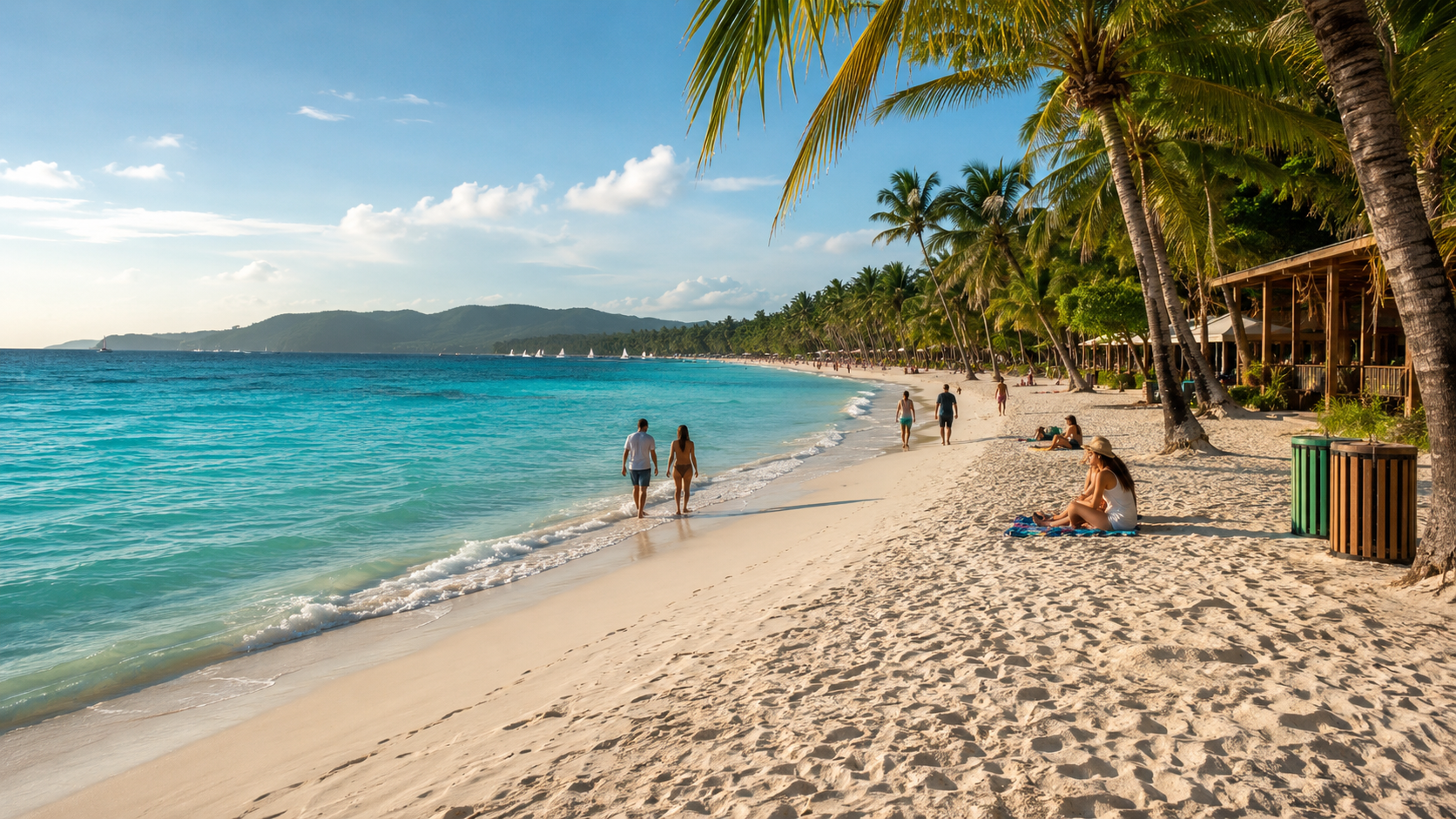
For the Philippines, sustainable tourism is increasingly impossible to separate from climate resilience.
The country’s beaches, islands and coastal communities attract millions of travelers, but many of the same destinations are also exposed to typhoons, flooding, storm surges, coastal erosion and extreme heat.
The destruction caused by Typhoon Rai, locally known as Odette, in December 2021 made this vulnerability especially clear. Tourism areas, including Siargao, suffered severe damage to homes, businesses, transport systems and essential infrastructure.
The disaster showed that tourism sustainability cannot be measured only by plastic reduction or beach cleanups. A destination is not truly sustainable when one major storm can destroy livelihoods and force businesses to rebuild from the beginning.
Tourism Planning Must Prepare for Extreme Weather
Hotels and resorts are often designed around comfort, views and access to the coast. Climate resilience requires additional questions.
Can buildings withstand stronger winds? Are critical electrical systems protected from flooding? Is emergency water available? Can visitors be evacuated safely? How quickly can small businesses recover after a disaster?
These issues are particularly important on islands where supply chains are limited.
The World Bank’s Climate Change Knowledge Portal provides country-level climate information for the Philippines at https://climateknowledgeportal.worldbank.org/country/philippines.
Tourism authorities and investors can use climate-risk information when deciding where and how to build future projects.
Rebuilding Should Reduce Future Risk
After a destructive storm, pressure to reopen quickly can be intense. Workers need income, businesses need customers and local governments need revenue.
However, rebuilding exactly as before may reproduce the same vulnerabilities.
A more resilient recovery can include stronger building standards, renewable backup power, improved drainage, protected water systems and clearer evacuation routes.
For small tourism enterprises, access to insurance and emergency financing also matters. Sustainability should include economic survival, not only environmental compliance.
Nature Can Protect Tourism Destinations
Some of the most effective forms of climate protection already exist in nature.
Mangroves can reduce coastal exposure while supporting marine ecosystems. Coral reefs can help weaken wave energy. Forests can reduce erosion and improve water regulation.
Destroying these ecosystems to create short-term tourism infrastructure can increase long-term disaster risk.
This makes nature-based solutions especially relevant for island destinations. Protecting a mangrove area, for example, can support biodiversity, strengthen coastal resilience and create opportunities for guided ecotourism.
Siargao Offers a Powerful Test Case
Siargao’s global reputation was built partly on surfing, island landscapes and a strong local tourism culture. Its post-typhoon recovery demonstrated the resilience of residents and businesses.
The next step is more difficult: ensuring that future growth does not recreate the weaknesses exposed by the disaster.
Rapid construction, increasing visitor demand and pressure on land can create new risks when development is poorly planned. Climate adaptation therefore needs to become part of zoning, investment approval and destination management.
The Philippines has an opportunity to redefine sustainable tourism around preparedness.
Future-ready destinations will need clean ecosystems, strong communities and businesses capable of surviving shocks. Tourism growth can no longer be planned as though climate hazards are occasional exceptions.
For an archipelagic country, resilience is becoming one of the most important measures of tourism quality.